


2026 is a landmark year for global environmental policy, with all three Rio Convention COPs taking place within four months. The Climate COP under the United Nations Framework Convention on Climate Change (UNFCCC), CBD COP17 on Biodiversity, and UNCCD COP17 on Desertification, Land Degradation and Drought will each convene in 2026. This “triple COP year” presents an opportunity to build synergies across these three interconnected areas and strengthen cooperation between local and national governments. As Dr Kate Strachan, Deputy Director Resilience at ICLEI Oceania and ICLEI Africa, put it: “Communities do not experience climate change, biodiversity loss and land degradation as separate crises. So, having all three Rio Convention COPs in the same year gives us a real opportunity to challenge the siloed way international environmental policy sometimes operates.“
More significantly for our region, COP31 brings a strong Oceania and Pacific dimension to the global climate negotiations. With Australia playing a leading role in the COP31 process and the Pacific Pre-COP taking place in Fiji, this is an important moment to put forward local realities, solutions and priorities into the global agenda from the start.
To explore what this means for local governments in our region, ICLEI Oceania hosted an informative webinar for local and subnational governments across Oceania on 14 September 2026. The session unpacked what this year’s COP cycle means for the region, how local governments can engage, and what they can expect in the lead-up to, during and beyond COP31.
As the focal point for the Local Governments and Municipal Authorities (LGMA) Constituency, ICLEI brings local and regional government perspectives into global climate negotiations. The webinar also explored how this representation works in practice through the Pre-COP and COP processes.
Key points that arose from the discussion were:
1. Shared governance as a successful model for multilateralism in climate diplomacy
This year’s UNFCCC COP process introduces an innovative shared governance framework between Türkiye, which will hold the COP31 Presidency and lead the Action Agenda, and Australia, which will serve as President of Negotiations and lead the formal negotiations in partnership with Pacific nations. This unique model represents a major step forward for global climate diplomacy, demonstrating the potential to connect different perspectives and priorities across the climate negotiations. According to Aaron Kirby, Branch Manager, Stakeholder and Collaboration, COP31 Taskforce, DCCEEW, “this shared presidency is a real global partnership to drive climate action in 2026, and it’s something that we are really proud of.”
2. Local governments as the frontline implementers
As Muni Reddy, CEO of Nadi Town Council, Fiji, stated, “while national governments make commitments through global negotiations, climate policies only become meaningful when they are translated into local action.” Local governments are the first responders and frontline implementers managing essential systems such as waste, infrastructure, land use and disaster preparedness – systems that directly shape climate resilience.
At the same time, Dr Kate Strachan emphasised that climate change, biodiversity loss and land degradation are often addressed through separate global processes, while local governments experience these challenges as interconnected issues. This underscores the importance of integrated, place-based solutions, as well as access to climate finance needed to implement them at the local level.
3. Transforming vulnerability into leadership
Pannellist Muni Reddy put forward that “the Pacific should not only be recognised as a region vulnerable to climate impacts and in need of support, but also for the solutions, innovation and resilience that Pacific communities are already demonstrating.“ This requires stronger recognition of Pacific-led solutions, improved access to climate finance for local-level projects, and stronger partnerships between local and national governments so that climate policies and projects can be implemented effectively on the ground.
4. Making local action visible
“Local government engagement is not an ‘extra’ add-on to negotiations but critical to actually achieving the Paris Agreement — through better data accountability, implementation, capacity-building and finance.” – Ariel Dekovic, LGMA Constituency Focal Point and Head of Global Communications and Engagement, ICLEI World Secretariat
Local governments already have valuable experience, projects and solutions that can contribute to the wider climate agenda. The challenge is making this action visible and building stronger connections between what is happening locally, national climate commitments and global processes. Local governments should use reporting mechanisms to build an evidence base of what is already being delivered locally, then use that evidence to advocate for finance and policy support. They should also be open to sharing their work, joining networks and constituencies that can carry their voices to the international stage, and getting involved in initiatives designed to connect local action to national and global levels.
5. Good neighbours build resilience
Climate impacts should be understood as a shared regional challenge, where countries can support each other through climate-related disasters and build resilience together. This requires mutual relationships in which governments have as much to learn from each other as they have to teach. By adopting a good neighbour approach, governments can strengthen regional resilience by sharing their concerns, experiences and solutions with each other. As Moira Were, Mayor of Onkaparinga and ICLEI Oceania REXCOM member, pointed out, “Good neighbours are usually the first responders that can come and help you, and they set the conditions for others to come and follow.”
We would like to extend a special thank you to our speakers for sharing these valuable insights with our network. We were pleased to have local government representatives across the Oceania region.

Aaron Kirby
Branch Manager, Stakeholder and Collaboration, COP31 Taskforce
DCCEEW

Ariel Dekovic
LGMA Constituency Focal Point, Head of Global Communications and Engagement
ICLEI World Secretariat
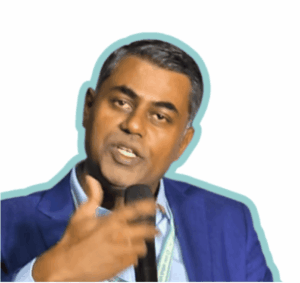
Muni Reddy
Chief Executive Officer
Nadi Town Council, Fiji

Mayor Moira Were
Mayor
City of Onkaparinga, Australia

Dr Kate Strachan
Director of Risk & Resilience
ICLEI Oceania
As the focal point for the Local Governments and Municipal Authorities (LGMA) Constituency, ICLEI brings the voices and perspectives of local and subnational governments into the global climate negotiations. If your local government would like to learn more about being part of the urban sustainability journey or the opportunities available through the LGMA Constituency, please contact admin.oceania@iclei.org for further information.