

This year’s theme for International Day for Biodiversity, “Acting locally for global impact,” recognises the vital role urban centres play in the global effort to restore and protect nature. Healthy, liveable cities depend on thriving ecosystems to support human wellbeing, sustain biodiversity, and build resilience to climate change. With more than half of the world’s population now living in urban areas, local action has never been more important.
Oceania councils safeguarding biodiversity
City of Brisbane, Australia
Through the Biodiverse Brisbane Initiative, the Council is protecting and enhancing the city’s urban ecosystem by planting one million native trees and shrubs in the next five years, focusing primarily on the restoration and revegetation of strategic wetlands, riverbanks, and waterway corridors. With a target of increasing natural habitat cover on mainland Brisbane to 40% by 2031, the initiative focuses on transforming the natural habitat to be more connected and healthy.
Nadi Town Council, Fiji
In response to frequent riverine and coastal flooding, the Nadi Town Council emphasises the preservation and restoration of coastal wetlands and mangrove ecosystems as multi-functional infrastructure. The council participates in cost-effectiveness and spatial mapping strategies to identify priority mangrove areas that optimise four critical ecosystem services: coastal protection, fisheries production, carbon storage, and biodiversity retention. By prioritising mangrove conservation directly adjacent to altered urban watersheds, Nadi utilises nature-based solutions to buffer urban environments from climate-induced flood degradation while trapping sediment and protecting the coastal zone.
City of Blacktown, Australia
Blacktown is committed to preserving biodiversity within the city through its ten-year Biodiversity Strategy. As part of this strategy, the council aims to strengthen community and stakeholder engagement in biodiversity conservation. It also emphasises the importance of collecting, evaluating, and sharing biodiversity knowledge to raise awareness and support more effective environmental management.
Dunedin City Council, New Zealand
Guided by the Kāi Tahu ki Otago philosophy, which emphasises a collaborative approach to natural resource management, the Dunedin City Council seeks to increase community involvement and shared responsibility in biodiversity conservation through volunteering opportunities, biodiversity events, and educational initiatives.
City of Onkaparinga, Australia
Through their biodiversity restoration project, the City of Onkaparinga aims to protect and restore biodiversity through ecosystem regeneration and sustainable land management practices. It highlights the importance of restoring native habitats, supporting local wildlife, and increasing ecological resilience by reconnecting people to environmental stewardship. Their initiative focuses on community involvement and long-term conservation plans for impacting positive environmental change at the local scale.
City of Melbourne, Australia
With nature central to the City’s strategy, the City of Melbourne aims to create and maintain healthy ecosystems and thriving biodiversity within the city. Developed collaboratively between the community and the city, it highlights the importance of community aspirations and values through the application of ‘Caring for Country’ principles, adaptive management approaches, and ecosystem-driven climate adaptation. The strategy will create a legacy of a resilient and healthy natural environment with a community that is connected to nature and place, is active in protecting and enhancing biodiversity, and enjoys the health and wellbeing benefits.
City of Sydney, Australia
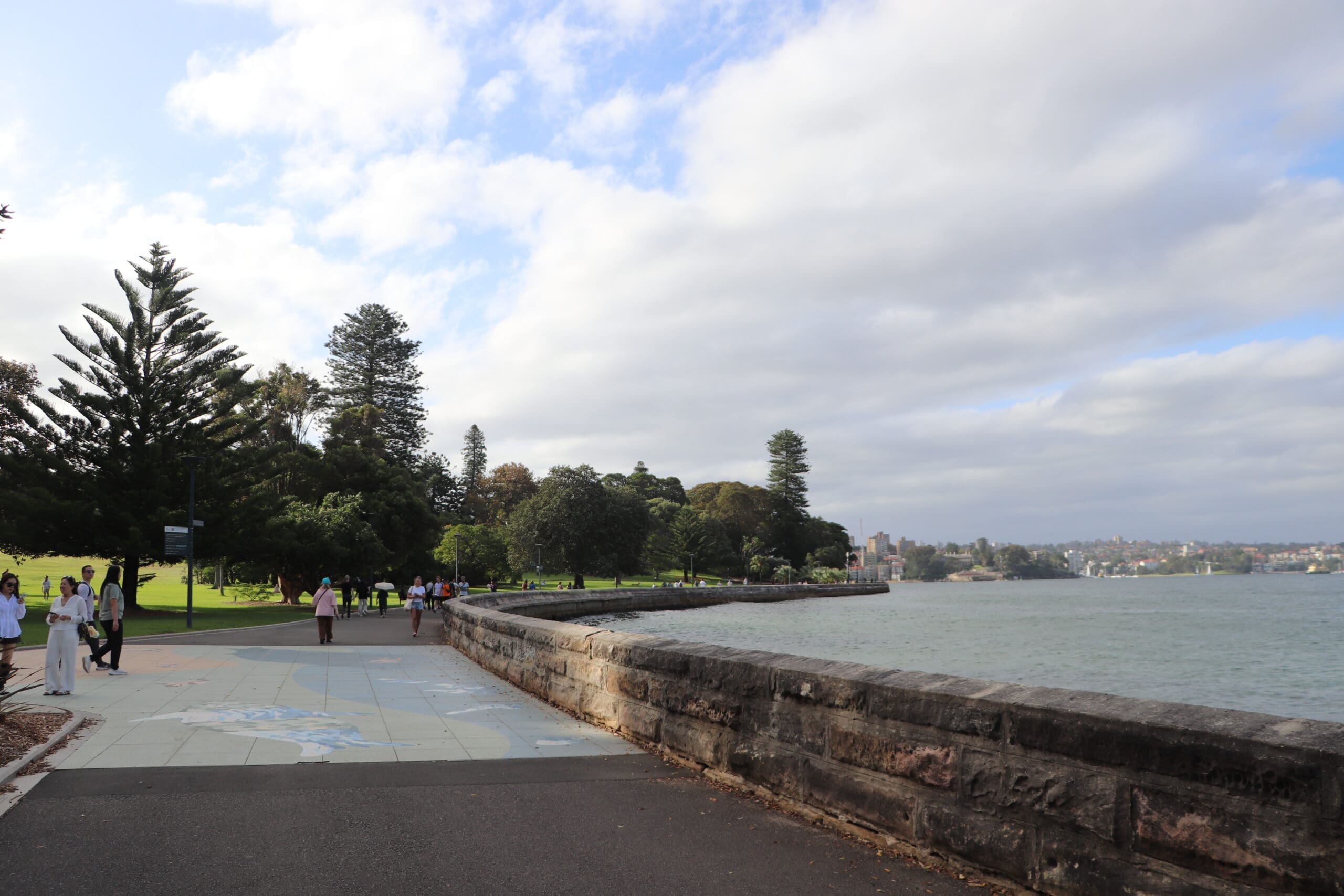
Through its Greening Sydney strategy and Urban Ecology Action Plan, the City of Sydney takes a comprehensive approach to urban biodiversity. The City is targeting 40% overall green cover by 2050 through urban forest expansion, bushland and wetland restoration, and green infrastructure, helping to support threatened species including powerful owls, eastern bent-wing bats, and grey-headed flying foxes. In the Sydney harbour, innovative eco-engineered Living Seawall panels mimic natural rocky shorelines, attracting greater marine biodiversity compared to standard seawalls. Community participation in local volunteer groups embeds biodiversity stewardship across the city.
Global impact starts at the local level
The CitiesWithNature and RegionsWithNature initiatives are unique global platforms that provide a shared space for cities, metropolitan areas, and local and subnational governments to navigate, share, and track their commitments to integrating nature into urban planning. Led by ICLEI, it serves as an official mechanism for subnational governments to report their contributions to the Kunming-Montreal Global Biodiversity Framework. The initiative plays an important global role in accelerating urban resilience, restoring degraded ecosystems, and ensuring a sustainable, biodiverse future for the world’s rapidly growing urban populations.