

Urban heat is among the most pressing environmental challenges facing the global south. This past January, Australia recorded soaring temperatures in the mid-40s°C, with urban centres bearing the brunt of the heat. ICLEI member, Blacktown City Council, serves one of NSW’s largest and fastest-growing suburbs – and it also happens to be leading the charge on adapting to our heating world.
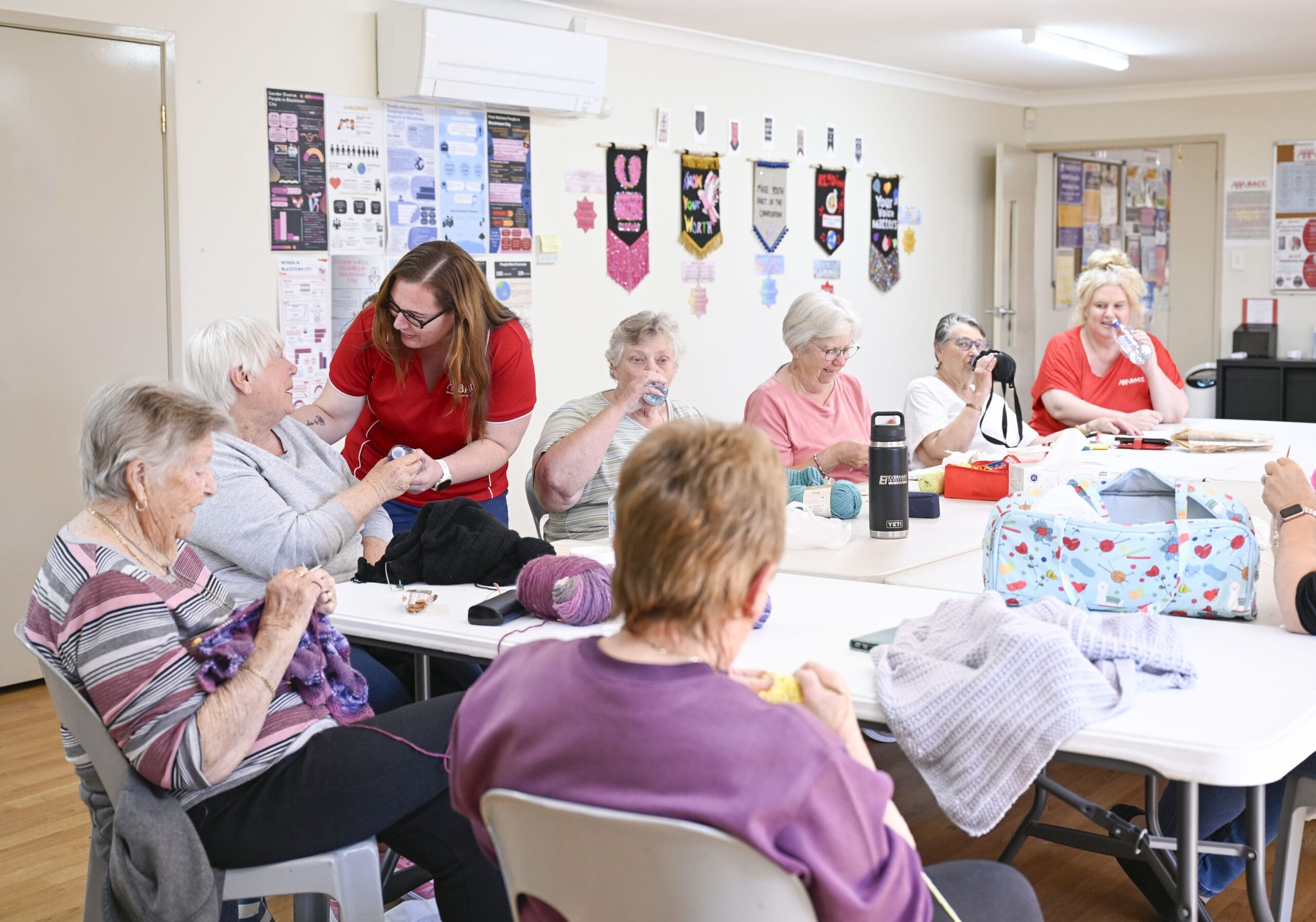
On searingly hot days, heat can be life-threatening. Blacktown City Council has partnered with the Red Cross and local community providers to establish Cool Centres. These are air-conditioned spaces open to anyone who can’t keep cool at home, providing drinking water and essential services. It’s a critical initiative in what Senior Coordinator of Environmental Services Julie Redhi describes as a “local UN” – one of Sydney’s most culturally diverse areas, with over 180 ethnic representations. That diversity brings heightened vulnerability: language barriers, lower rates of home air-conditioning, and limited access to mainstream information channels all put residents at greater risk. To bridge that gap, the council sends alerts through local community networks, such as Uniting Church, ensuring those who need help most know it’s there.
However, the approach is evolving. Yael Lang, Coordinator of Sustainability & Resilience, explains that purpose-built cool centres carry real constraints: without backup generators their reliability is compromised, they demand high volunteer involvement at short notice, and limited opening hours only go so far. As Yael notes, what makes extreme heat so dangerous isn’t a single temperature spike, but sustained heat across multiple days and nights and a refuge open from 8am to 6pm can’t address that. This has driven a broader shift in thinking. “We’re trying to figure out where the emergency department’s remit ends and ours begins, so that we’re not overlapping on resources,” says Yael. Now, Blacktown City Council is investing in places that are already cool – taking existing facilities like the Max Webber Library and equipping them with breakout zones, water stations, and other amenities, sidestepping many of the constraints that limit purpose-built centres.
This shift reflects a broader change in how the City is responding to extreme heat. The Mayor of Blacktown City, Brad Bunting said “extreme heat is already a real challenge for our community, and in places like Blacktown it’s becoming more frequent and lasting longer.” “We’re responding in a practical way, making sure people have access to safe, cool places when they need them, while continuing to invest in planning and infrastructure that reduces the impact of heat over time,” Mayor Brad Bunting said.
Responding to heat emergencies is only part of the equation, and it’s in climate adaptation where Blacktown City Council is demonstrating real leadership. They’ve trialled several infrastructure-based innovations to reduce urban heat, including cool streets and cool road surface programmes. The former targeted areas where urban heat is most extreme; the latter involved coating residential pavements with a reflective surface to reduce heat absorption. Blacktown has also partnered with Western Sydney University to benchmark summer heat across its diverse urban landscapes, and with the University of New South Wales to investigate cooling strategies at Mount Druitt’s Dawson Mall.
Recognising that these challenges aren’t unique to Blacktown, the City has collaborated with the Western Sydney Regional Organisation of Councils (WSROC) to release the Turn Down the Heat and Heat Smart toolkits which are practical guides to help communities better understand and respond to extreme heat. This work aligns directly with the Beat the Heat Implementation Drive – a global initiative led by the COP30 Presidency and the UNEP-led Cool Coalition to accelerate sustainable cooling and heat resilience in cities worldwide – and reflects exactly the kind of city-level action it’s designed to scale.
Blacktown City Council is one of only a handful of councils voluntarily disclosing Nationally Determined Contributions (NDCs). ICLEI’s Professor of Practice, Hartmut Fünfgeld, notes that as mandatory reporting requirements for local governments grow it is all the more significant that a peri-urban council is actively volunteering this information. “It sets a really fantastic example and provides a roadmap for others to follow”, says Hartmut.
We are proud to have partnered with Blacktown City Council to host Generations in Dialogue: Shared Wisdom for Urban Liveability and Adaptation in a 3°C+ World as part of this year’s Sydney Climate Action Week. One of the key sentiments of this event was that we need to be preparing socially, culturally, and physically to achieve liveability – and it was evident that Blacktown had no shortage of experience to share. From cool centres to cool streets, Blacktown City Council offers something admirable in climate action: a council that is not waiting to be told what to do.