

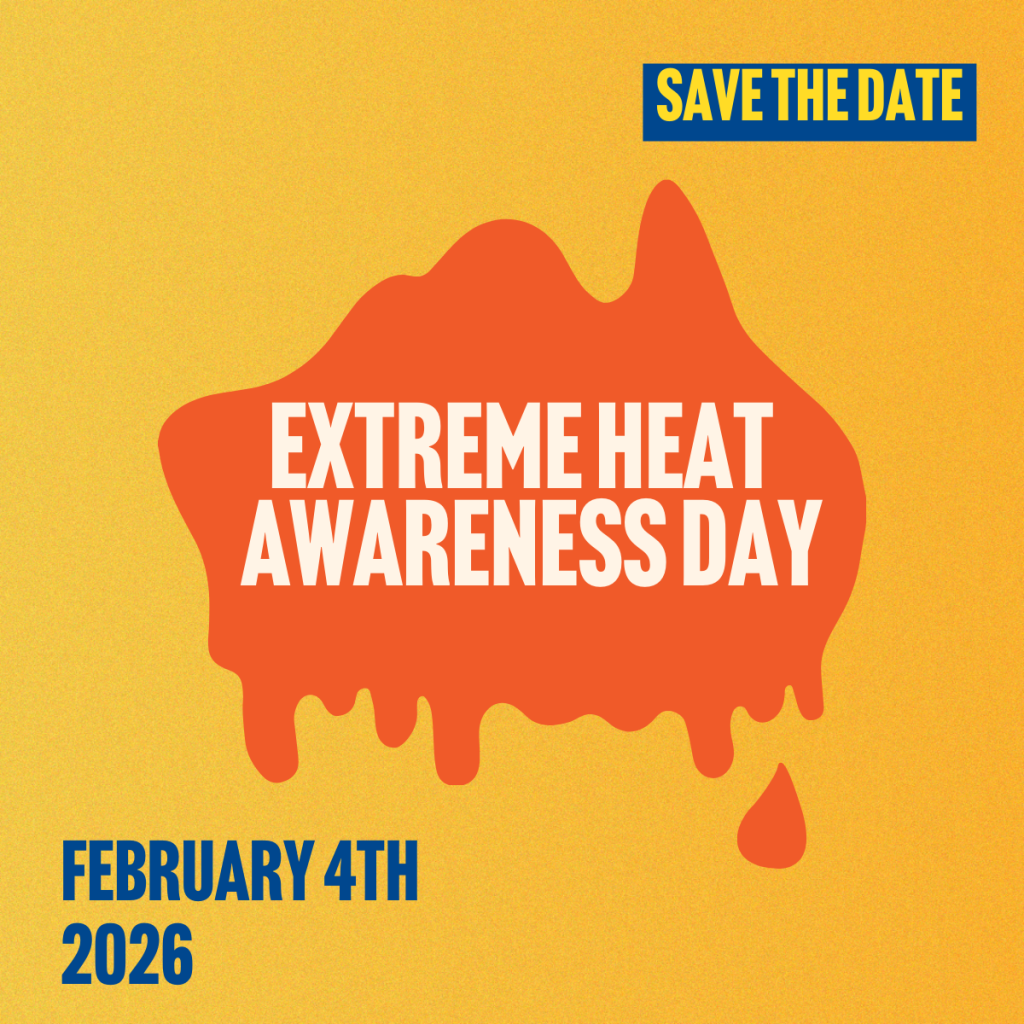
Today is Extreme Heat Awareness Day. For all those in South-Eastern Australia, it’s a timely reminder following last week’s soaring temperatures, which reached the mid-40’s in Melbourne and Adelaide.
As ICLEI has noted, urban centres are particularly vulnerable to extreme heat due to the Urban Heat Island (UHI) effect. Densely built environments — characterised by high populations, expansive infrastructure, and less shade — results in cities that are typically 10-15 degrees hotter than surrounding rural areas. These effects are felt most acutely by vulnerable communities lacking access to reliable cooling, shade and water.
For cooling practices to be sustainable, they must be anchored by three key elements of effective urban planning: energy efficiency, renewables, and Nature-based Solutions.
Local and regional governments are at the frontline of this response. South Australian ICLEI member, City of Onkaparinga, takes a strategic approach to climate equity by undertaking tree planting programmes in lower socio-economic suburbs with less canopy coverage and higher urban heat impacts. Mayor Moira Were explains: “Equity is a vital part of our urban cooling program. We’ve seen improved outcomes in seven of our low canopy urban suburbs, which now have over 10% canopy cover – some from very low baselines.”
This new normal is not unique to Australia, it’s a global reality. ICLEI recognises the urgent need for climate action and is a founding member of the Beat the Heat Implementation Drive, a joint initiative of the COP30 Presidency and UNEP-led Cool Coalition, which aims to accelerate the deployment of resilience solutions in cities worldwide. As Kobie Brand, ICLEI’s Deputy Secretary General, Cool Coalition Steering Committee member, and Director for ICLEI Oceania, says, “Urban cooling is not just a technological challenge, but a question of resilience, equity, and sustainability.” Urban heat is a complex challenge, one that demands a deeply embedded, multi-stakeholder approach to ensure the liveability of our cities in a rapidly changing world.