

Seizing a rare gap in her schedule, we sit down with Newcastle City Councillor Dr Elizabeth Adamczyk to talk about what drives her, both as a councillor in one of Australia’s fastest-growing regional cities and as Chair of ICLEI Oceania’s Regional Executive Committee (RexCom).
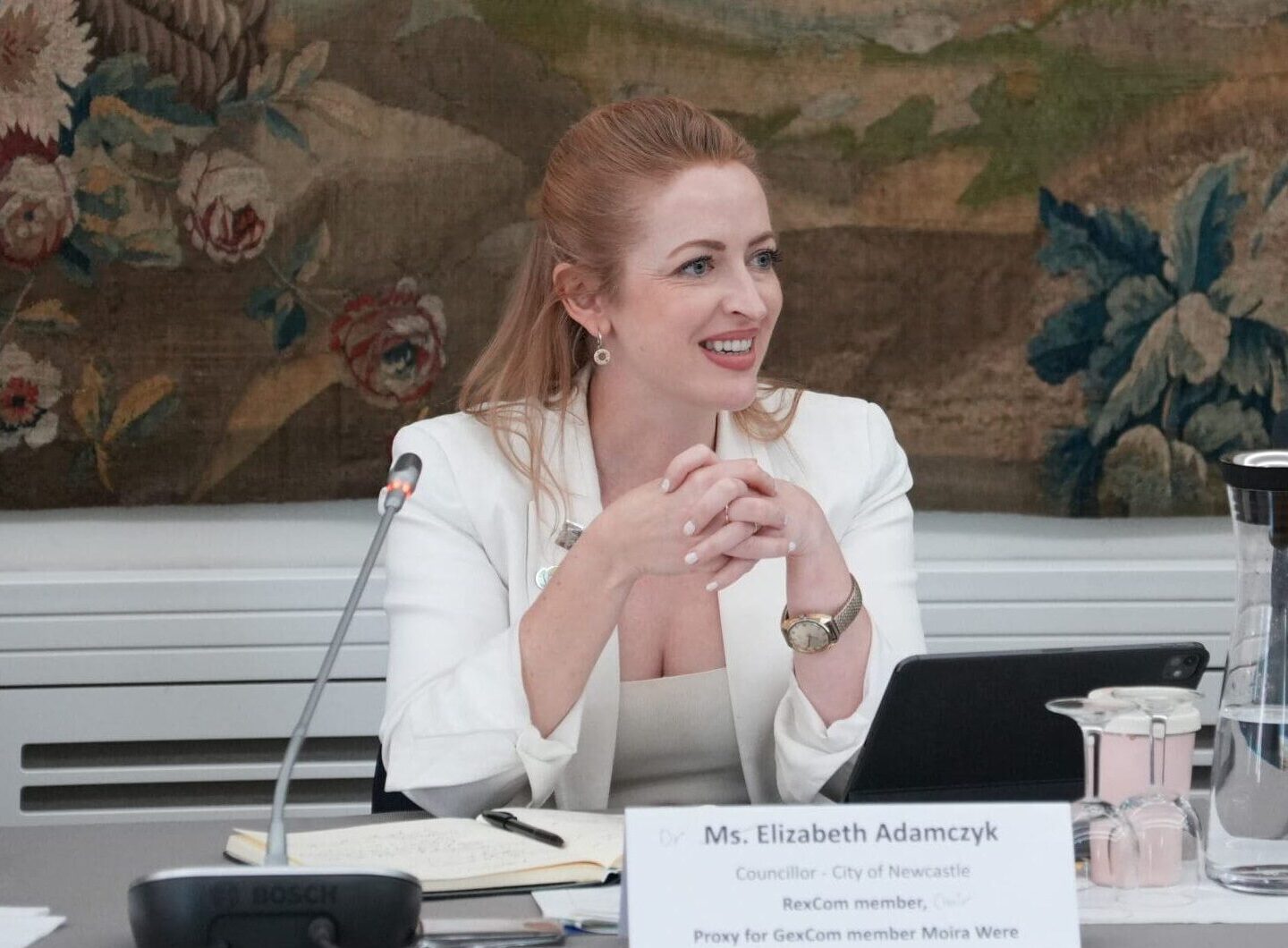
First elected in 2021, Cr Dr Adamczyk is in her second term as councillor for the City of Newcastle, working across a broad range of strategic and community issues.
“One of the things I value most about being an elected representative of local government is being at the closest level of government to our communities. I am working directly with residents, associations, sports clubs and organisations to understand what their needs are, and using that to shape long-term policy that has a genuine impact on bettering everyday lives in a growing city.” A city that she says is ever-evolving, with a strong working-class identity.
As the world’s biggest coal exporting port and with a net-zero-by-2050 goal, Newcastle has a unique duality, one Cr Adamczyk says is prompting more ambitious conversations about climate resilience and just transition. Despite the uncertainty and challenge of bringing these two paths together, Cr Adamczyk sees a real opportunity in showing how decarbonisation can strengthen communities.
In her role as Councillor, Cr Adamczyk serves on several advisory committees and working groups, drawing on her background as an architect, her PhD in human geography, and her ongoing career in academia as a lecturer of development studies at Macquarie University. Driven by a desire to contribute to society, Cr Adamczyk made the move into local government, a role she says both enriches, and is enriched by, her urban planning roots.
Introduced to ICLEI through previous Newcastle Lord Mayor and RexCom advisor, Nuatali Nelmes, Cr Adamczyk came on as Chair in 2025. The RexCom is an elected leadership group of local government leaders from across the Oceania region who provide overarching policy and governance advice and, together with regional committees worldwide, form the ICLEI Council.
“RexCom’s strength is the diversity of experience it brings together. It’s not just about climate action, but how we pursue it within the structures, parameters and context we operate in.” Adaptation priorities vary across Australia, New Zealand and the Pacific, but like many of Oceania’s urban centres, Newcastle faces a rapidly eroding coastline.
“We mapped out a coastal action plan and asked the community whether to reinforce the coast or retreat.” Part of this means working out what the City of Newcastle is responsible for, a difficult question the council hasn’t faced on this scale. “All coastal councils are dealing with this, and the tens of millions of dollars needed are beyond local government’s capacity.”
Cr Adamczyk pointed to ICLEI’s global work in the upcoming UNFCCC COP31 as a key opportunity for tackling these climate questions. “When we’re looking at ICLEI’s work, particularly on a global scale at events like COP31, it’s about trying to get recognition for local governments in climate action planning to facilitate local implementation. The idea is that with recognition comes resourcing, and at the moment it’s not where it needs to be.”
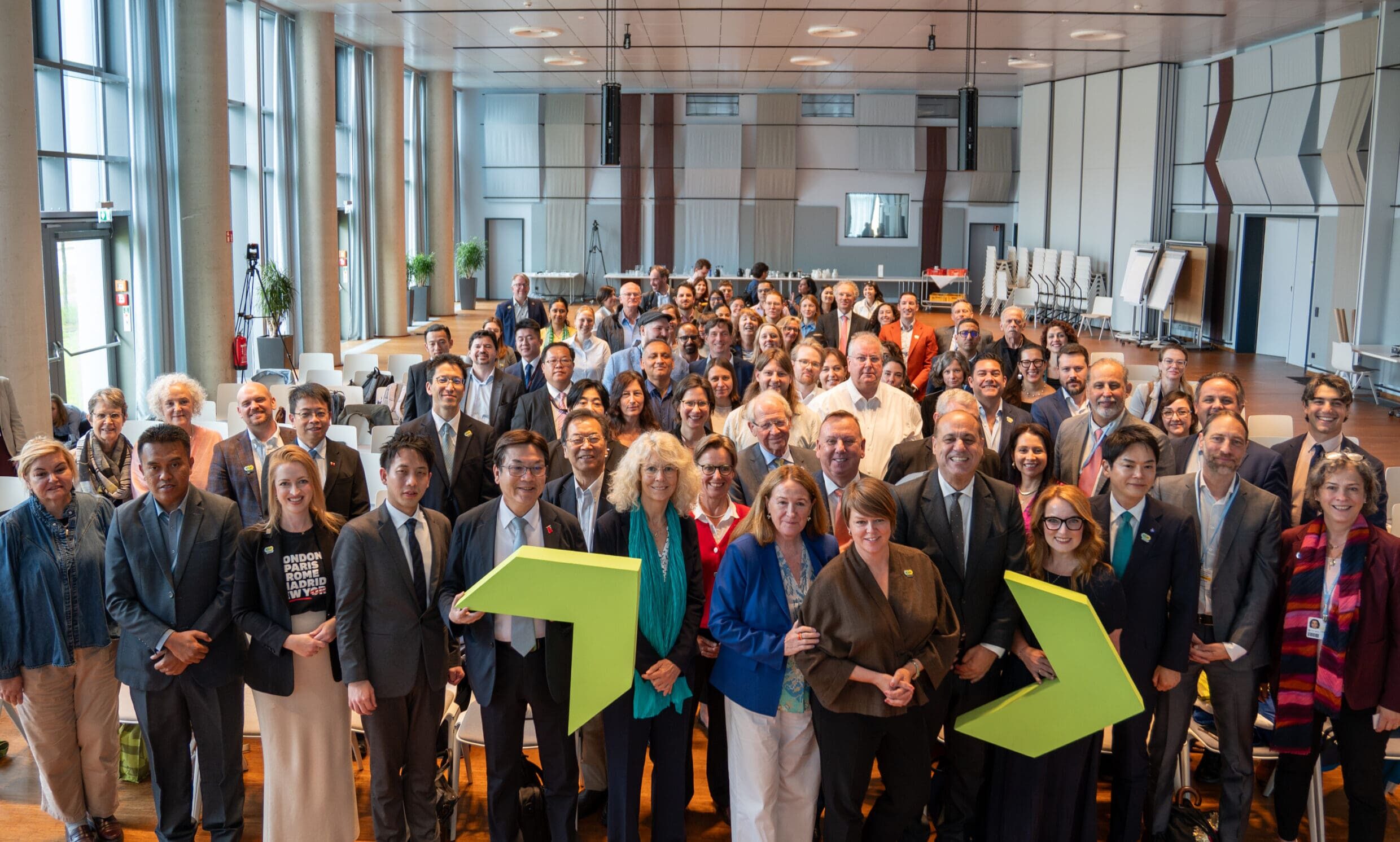
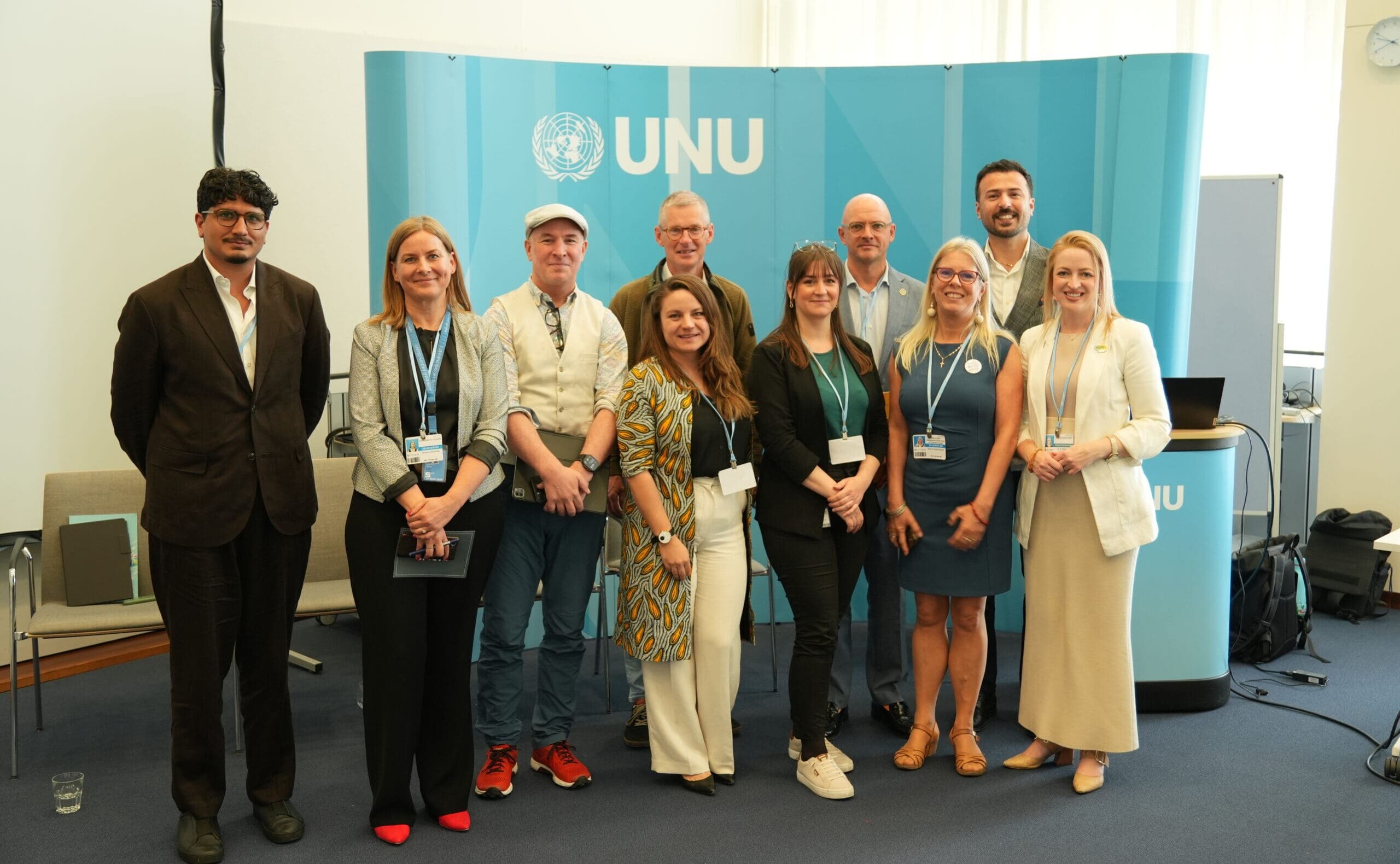
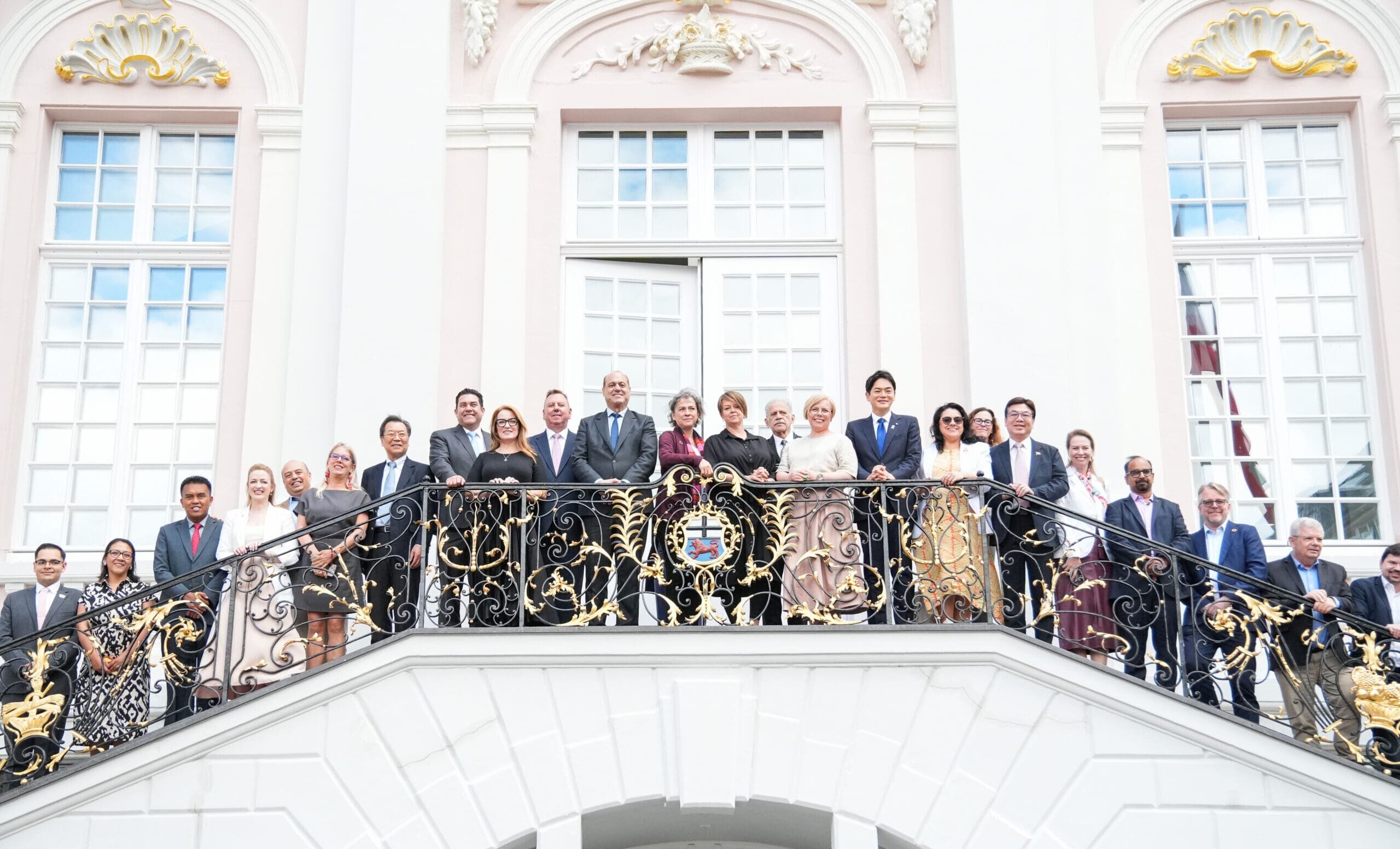
In her role as Chair, Cr Adamczyk attended ICLEI’s annual Global Executive Committee Meeting (GexCom) followed by the Daring Cities Conference, an action-oriented global forum convened by ICLEI to unite local, regional and national leaders in tackling the climate emergency through multilevel governance, both held in Bonn, Germany.
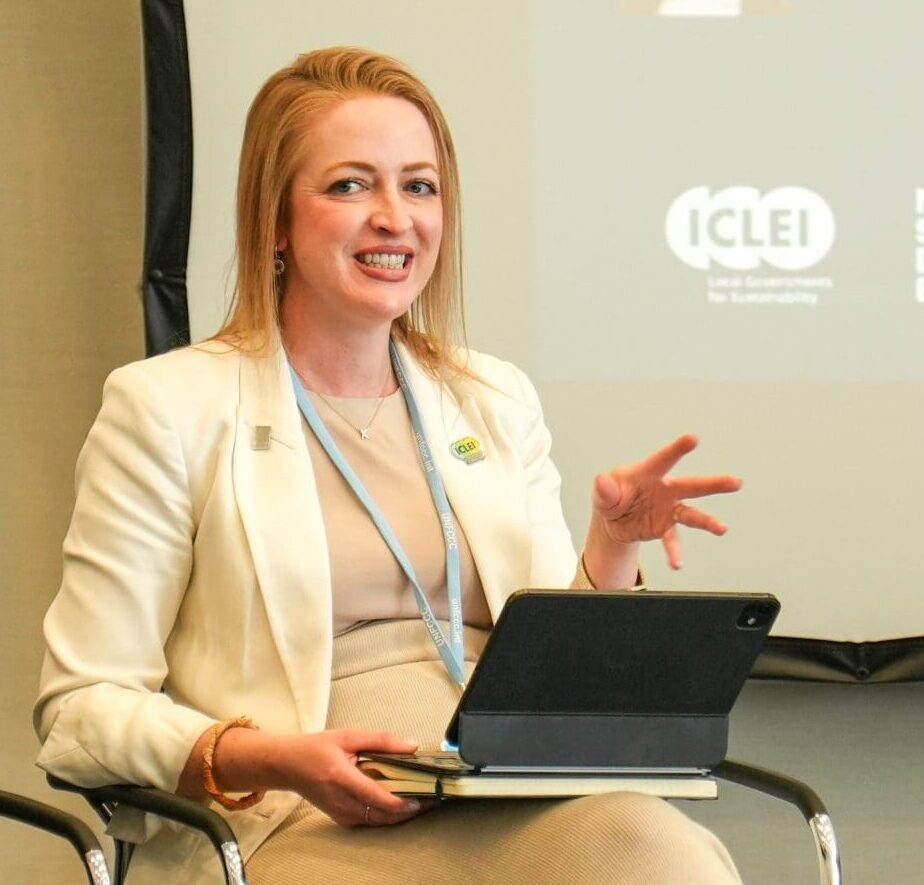
For Cr Adamczyk, the conference reinforced that no one city has all the answers. Despite the plethora of place-based considerations, cities are confronting the same baseline challenges – the pressure of biodiversity loss, financial constraints, and the social justice dimensions of adaptation and resilience.
When asked what had resonated most for her at the conference, she used a word not often associated with our changing world: optimism.
“I believe that local government can really improve people’s lives in very tangible ways,” she says. “We need to be working for future generations to have cities that are healthier but also fairer and more sustainable than what we’ve inherited and what we have now. This is what keeps me motivated.”
A proud Novocastrian, Cr Adamczyk takes that motivation personally in finding a way forward that remains true to the city’s history, ambition, and people.