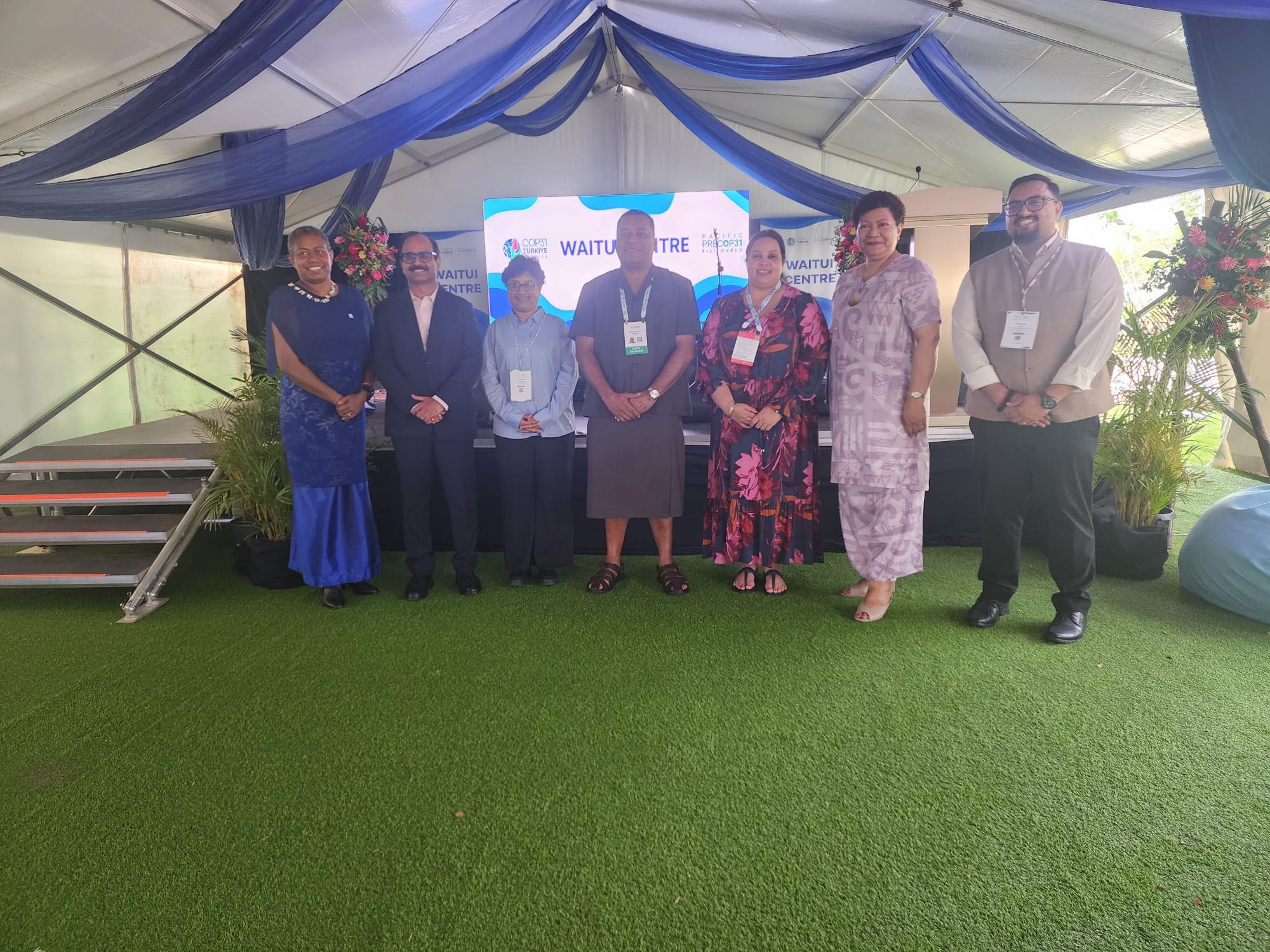

In the lead-up to UNFCCC COP31 in Antalya this November, Pacific nations took centre stage in hosting the Pacific Pre-COP in Tuvalu and Fiji between 5 and 8 October. Jyoti Prasad, Coordinator of the ICLEI Oceania Pacific Islands office, was on the ground in Nadi. Throughout the week, ICLEI Oceania met with our member councils from the region, Pacific island ministry delegations and partner organisations and research institutes. We also participated in side events and represented the Local Governments and Municipal Authorities constituency in ICLEI’s role as focal point.
Local solutions to rising ocean and climate pressures
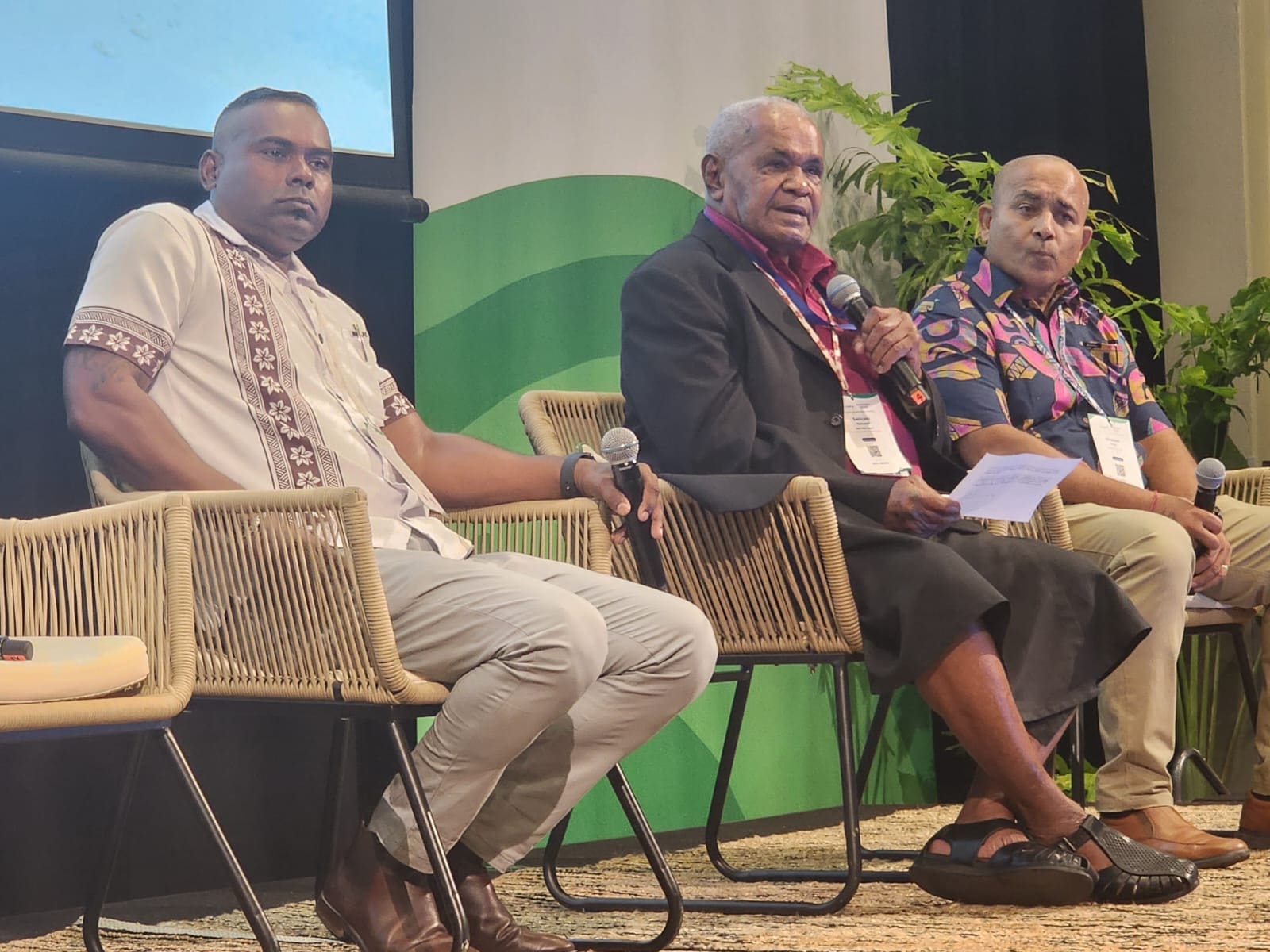
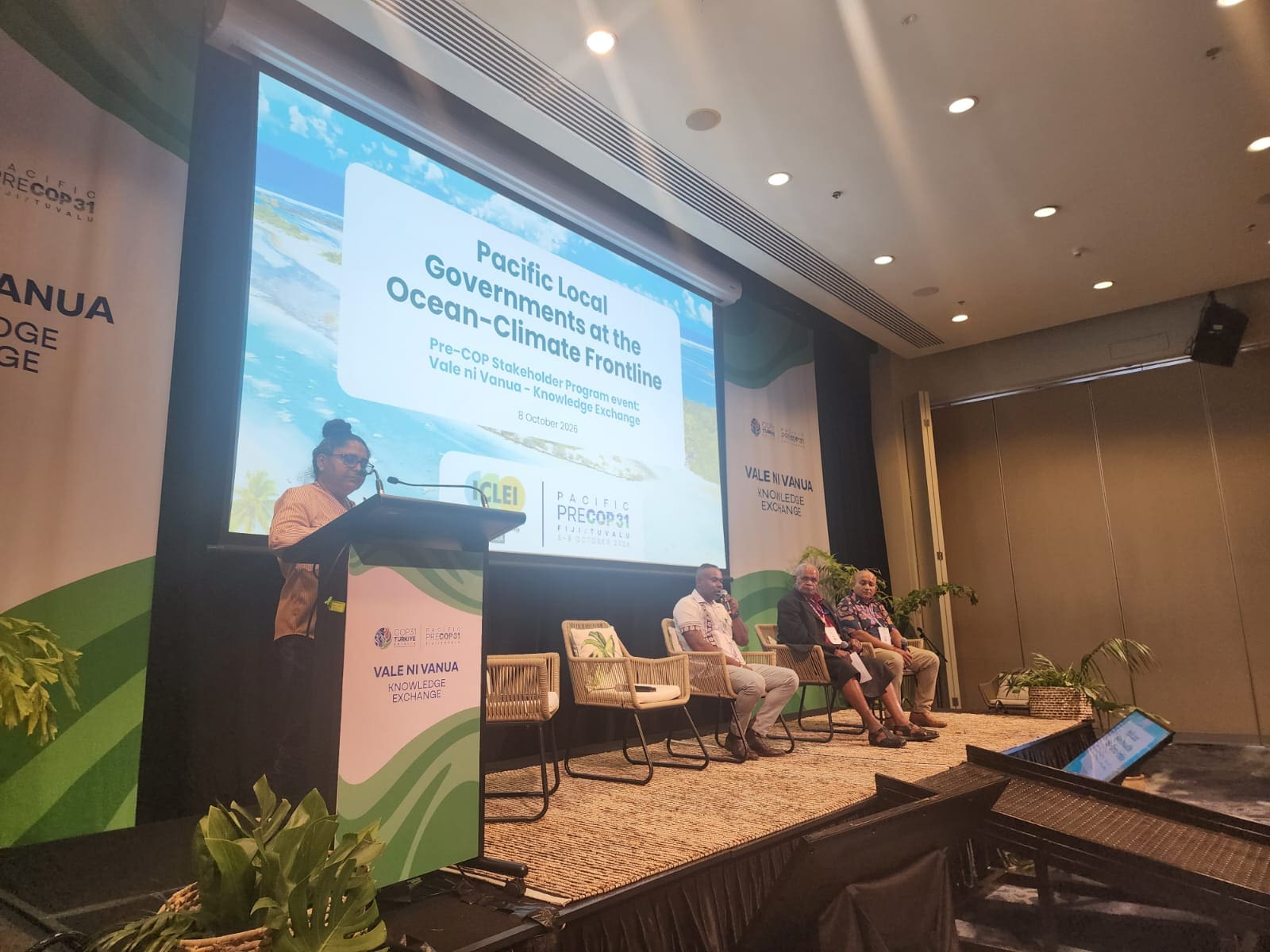
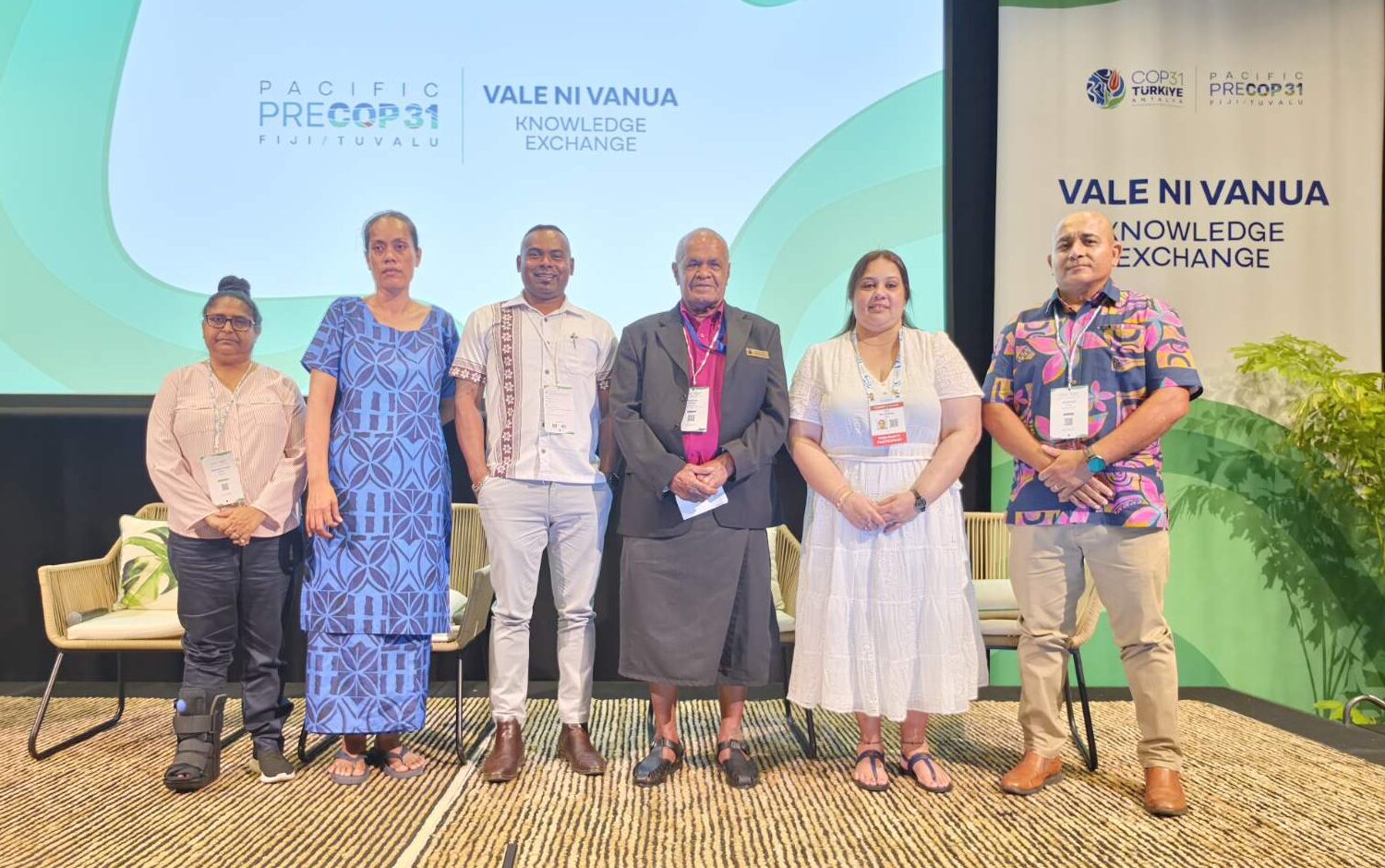
On 8 October, as part of the Vale ni Vanua Knowledge Exchange program, ICLEI Oceania hosted Pacific Local Governments at the Ocean-Climate Frontline, an event spotlighting local government leaders and practitioners operating at the forefront of climate action and resilience in their communities. Moderated by our Board member Rajneesh Lata Charan, the panel brought together representatives from Sigatoka, Nadi and Lautoka councils in Fiji, and a national government representative from the Office of the President in Kiribati.
Pacific local governments are facing more frequent flooding, coastal erosion and mounting pressure on essential services, often with limited financial and technical capacity. Grounded in iTaukei Indigenous knowledge systems, our panel shared practical experiences and discussed what councils need to respond effectively. The message was clear: national climate ambition must be matched by practical support for the local authorities protecting communities.
Perspectives from the frontlines
Sigatoka Town Council
Plan beyond emergency drainage repairs
Muni Anand Sami Pillay of Sigatoka Town Council described undersized drains and flood damage to bridges and crossings that cut access to schools and services. He called for reliable drainage data, timely investment, and planning policies that encourage rainwater harvesting and on-site stormwater management.
“We need to ensure that funding is available at the right time so that necessary repairs, infrastructure upgrades and climate resilience projects can be implemented without unnecessary delays.
Nadi Town Council
Place community knowledge alongside science
Saliceni Raiwalui of Nadi Town Council said Indigenous and local knowledge of flood paths and vulnerable areas should inform engineering and climate assessments. He urged early engagement with communities and traditional landowners, and planning coordinated across council boundaries.
“Communities are not simply beneficiaries of climate resilience; they are partners in building it.”
Lautoka City Council
Protect essential municipal services
Shalend Prem Singh of Lautoka Town Council highlighted the cost of managing stormwater, erosion and waste. The council is spending approximately $150,000 on unplanned works to protect one property from creek-bank erosion. He also advocated better regional waste infrastructure and policies such as container deposits.
“A bottom-up approach is essential. National government needs more consultation with municipalities about the needs and challenges they face.
Kiribati
Harness local resources and traditional solutions
Tekimwau Otiawa Tabunawati of the President’s Office and Ministry of Climate Change in Kiribati said the country’s dispersed islands face long delays and high costs moving coastal-protection materials. She described Te Buibui, a traditional approach using wooden poles, coconut leaves and vegetation to reduce wave impacts and trap sediment.
“This is one of the nature-based solutions that communities can implement using their own local resources.
From commitments to local action
From the flood-prone municipalities of Fiji to the vulnerable atolls of Kiribati, local authorities are already confronting the realities of climate change. Their experiences demonstrate that effective adaptation depends not only on national ambition but also on the financial resources, institutional support, and decision-making opportunities available at the local level.
The discussion pointed to three priorities: timely and predictable finance, stronger national-local coordination so municipal needs are reflected in Nationally Determined Contributions, and practical technical support that combines data, science and traditional knowledge.
As Pacific countries advance towards COP31, meaningful local government involvement in planning, financing and implementation will be essential to delivering resilience where communities need it most.