

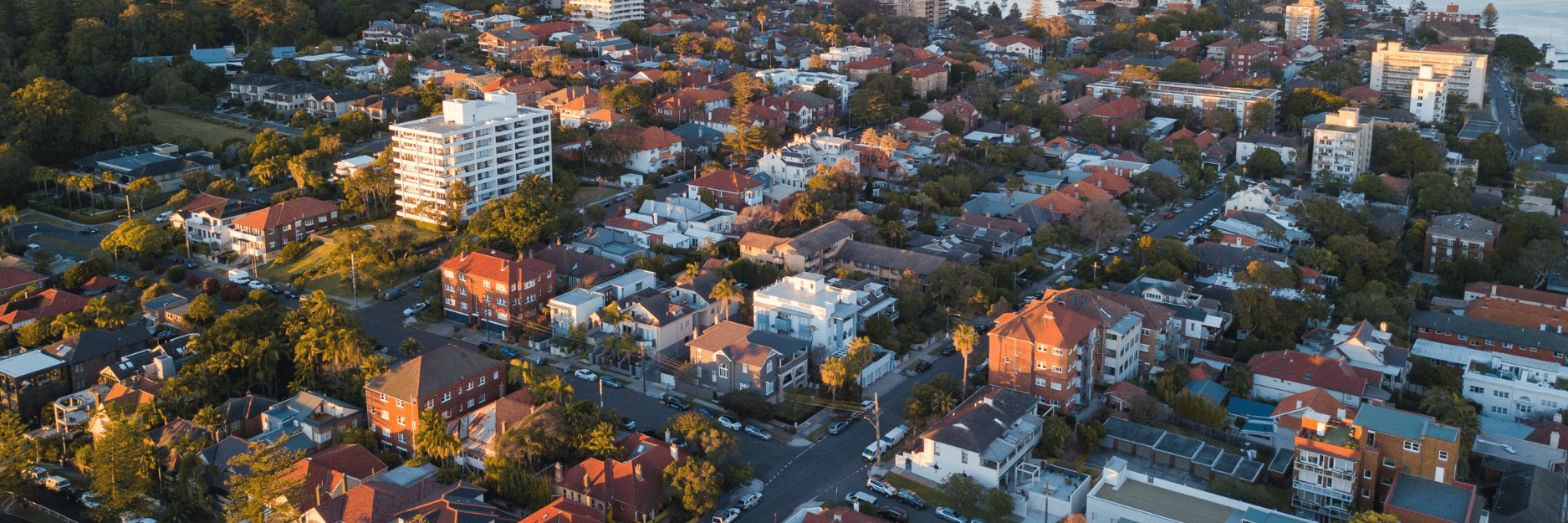
Urban October is a global month-long initiative starting with World Habitat Day and ending with World Cities Day. This year, the two big days are focused on “adequate housing for all”. Like our global counterparts, Oceania’s cities and towns face challenges and opportunities around housing. Adapting to a more sustainable future means that climate-resilient housing, community participation in urban regeneration, and the role of local governments in creating adequate housing will be critical.
Urban centres around the world are facing similar and interconnected challenges: urbanisation and unplanned development, ageing infrastructure, inadequate land, increasing climate threats, growing social inequality and unaffordable housing. According to the 2026 World Cities Report, up to 3.4 billion people experience some form of housing inadequacy, including more than 1.1 billion people living in informal settlements and slums, often without access to basic services.
This year, Urban October brings these challenges into focus, with World Habitat Day and World Cities Day highlighting the importance of accessible, safe and dignified housing for all as a foundation for inclusive, sustainable and resilient cities.
But what makes housing adequate?
Adequate housing means much more than simply having a roof over our heads. It needs to be considered within the broader environment in which people live. Homes and neighbourhoods must be safe, affordable and inclusive, but they must also be resilient to climate change. Increasing climate risks make this even more important, as flooding, sea level rise and extreme heat are already heavily affecting communities around the world. Where homes are located and how they are designed will influence how exposed people are to these risks. Good housing design can also include sustainable approaches such as the use of eco-friendly and recycled materials, energy-efficient measures, and wise water and waste systems.
Inclusive and regenerative approaches
Addressing the adequate housing challenge doesn’t only have to mean building more homes. Urban regeneration is another part of the solution. Rather than focusing on new development, regeneration can help revitalise existing urban areas, improve housing and infrastructure, and create more inclusive and climate-resilient neighbourhoods. However, urban regeneration needs to benefit the people who already call these neighbourhoods home. This is why community participation is so important. When residents have a meaningful role in decisions about housing, public spaces and neighbourhood development, local knowledge and priorities can become part of the solutions.
City of Melbourne
The City of Melbourne’s People’s Panel on affordable housing provides an example of an inclusive approach, bringing together community members to learn about housing challenges, discuss priorities and develop recommendations to inform the city’s affordable housing strategy.
City of Onkaparinga
Similarly, the City of Onkaparinga emphasised the importance of understanding community experiences of housing by hosting workshops with residents. These discussions highlighted that adequate, affordable housing is about more than supply; it’s also about connection, liveability, and homes built on sustainable and energy-efficient principles. Ultimately, addressing housing challenges requires more than a single solution; it demands a multifaceted, collaborative approach.
The role of local governments
Even though the primary responsibility for housing lies with state and federal governments, local governments play an important role in bringing different elements of the solution together. Through planning, housing strategies, climate action and community engagement, councils can help shape neighbourhoods that are more inclusive, resilient and liveable. In fact, they understand the needs of their communities better and can advocate for local priorities across different levels of government.
Across the ICLEI Oceania network, our member councils are already making important progress — from expanding affordable and social housing to exploring more sustainable housing models, and making vulnerable settlements more resilient to climate impacts.
With only four years remaining to achieve the Sustainable Development Goals, local action matters. Ensuring adequate housing for all is not only about providing more homes. It is about creating places where people can live safely, affordably and with dignity, while ensuring that cities and towns are prepared for the climate challenges ahead.
To learn more about Urban October, click here.