

Between 9-15 March we were in ICLEI member city, Sydney, along with community groups, thought leaders, experts and enthusiasts to discuss all aspects of climate action at Climate Action Week Sydney.
Our first two-part event was ‘Building to Zero: making sustainability ‘normal’ in the built environment.’ In collaboration with University of Technology Sydney and EcoHus, we explored how Australia’s built environment sector can build on its existing progress to drive the rapid and radical transition to net zero that is needed, focusing on the cultural shift needed to facilitate existing solutions.
Follow the money: Investment + Insurance
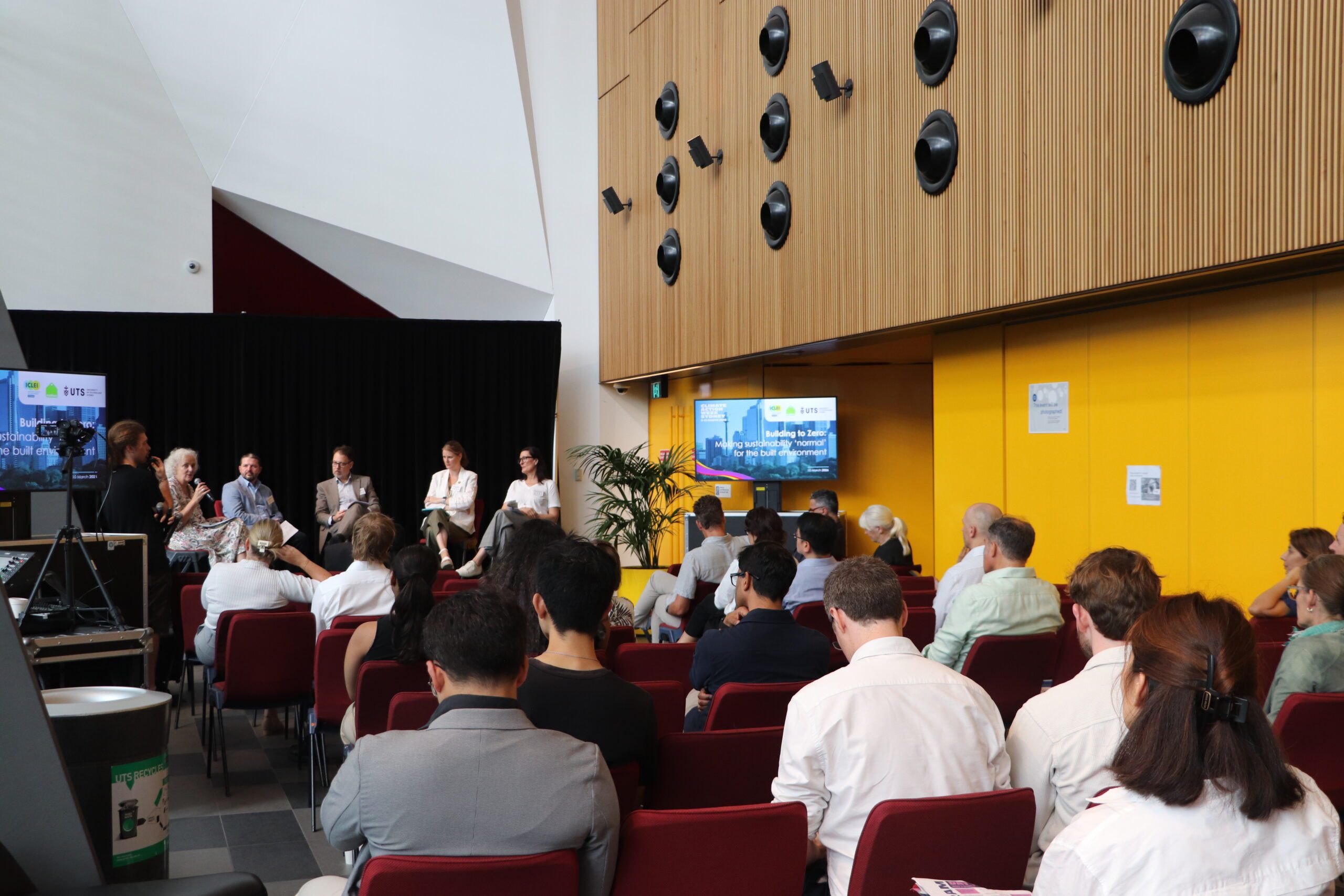
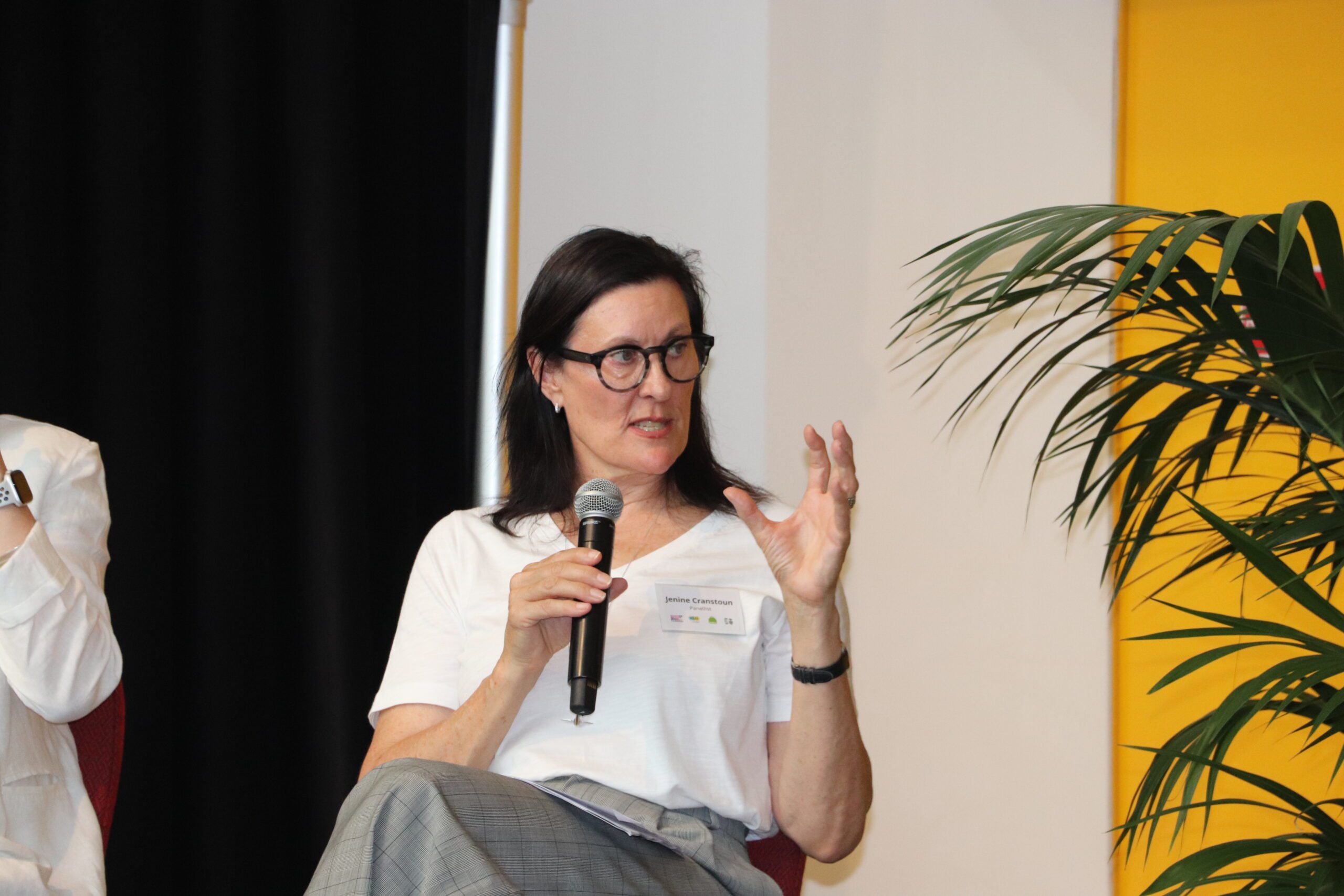
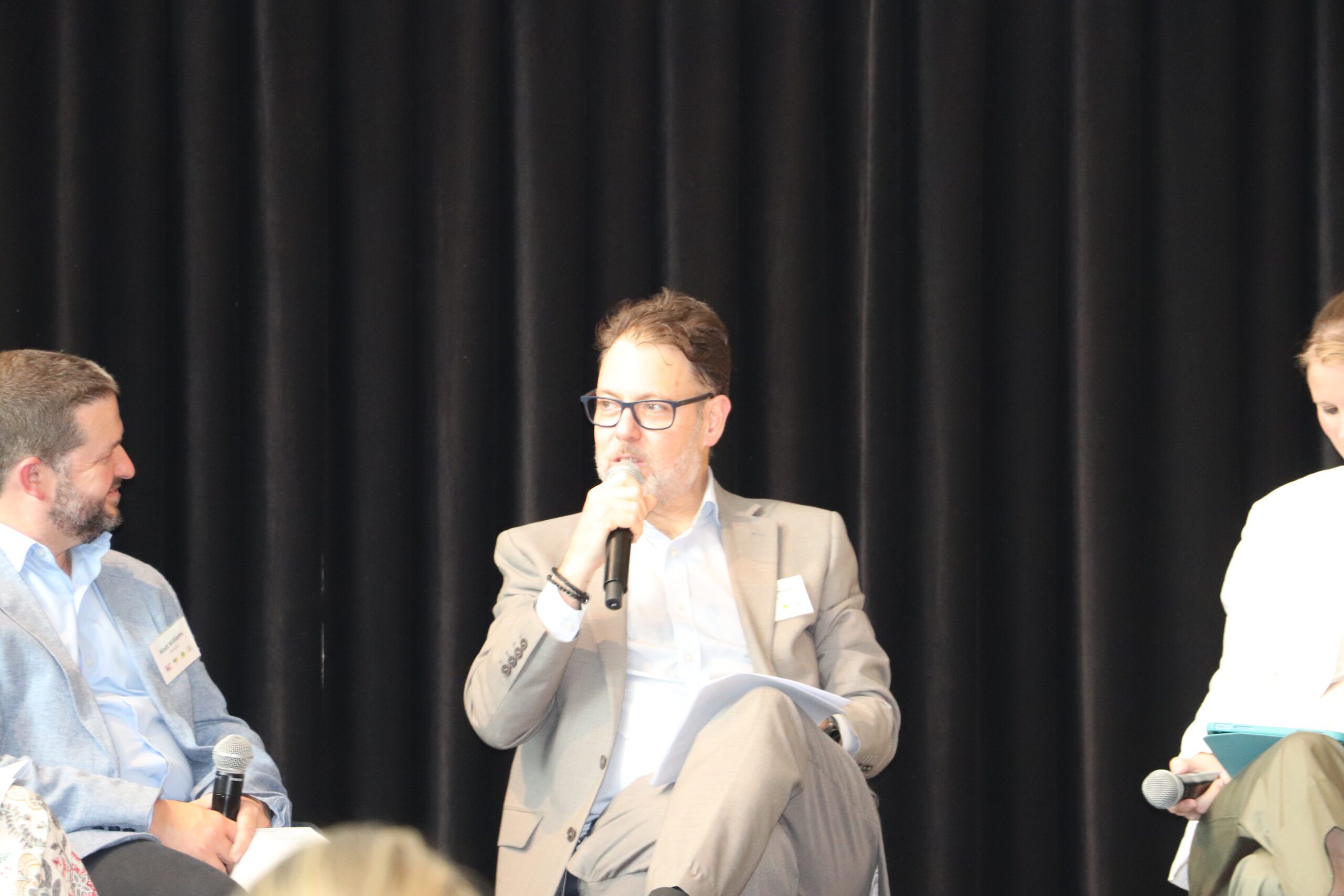
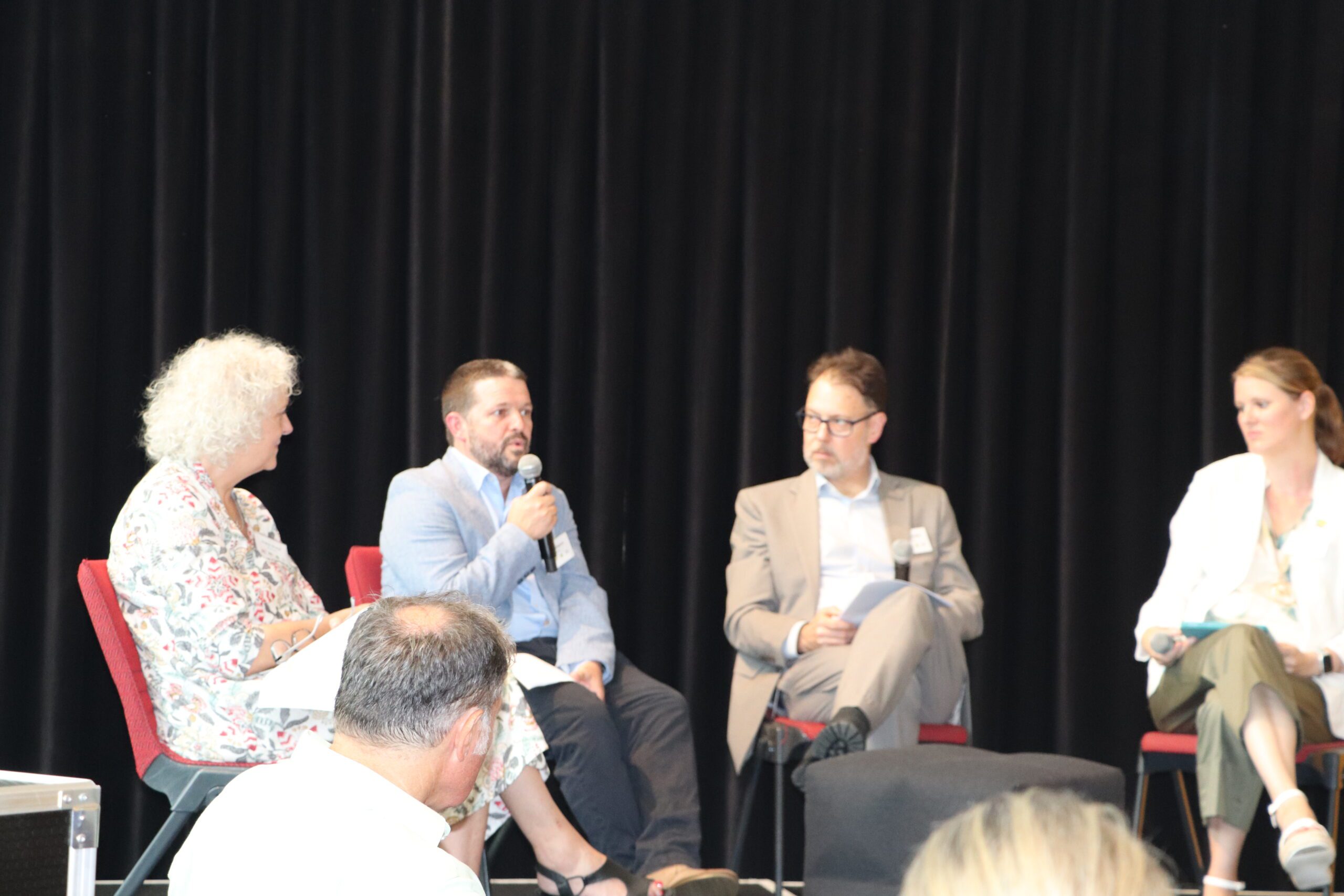
Part one of Building to Zero: making sustainability ‘normal’ for the built environment was Follow the money: Investment + Insurance where pannellists unpacked finance availability and assessed risk for a net zero transition in the built environment.
Key takeaways:
Audit urban assets for “nature-first” redevelopment: Identify underutilised plotsor “grey” infrastructure that can be converted into green corridors or high-density, biophilic housing.
Develop context-specific financial incentives: Explore “rate-bonus” models or ESG-linked discounts for building owners who retrofit for climate resilience and biodiversity.
Address the silos in internal teams: Facilitate a workshop between Sustainability, Legal, and Finance teams to align commercial drivers with environmental goals.
Pivot the narrative from fear to value: Reframe sustainability projects as “Better World” initiatives, focusing on health, cooling, and livability rather than just regulatory compliance.
Establish a test-bed partnership: Propose a data-sharing agreement between local government and universities to test smart, scalable urban solutions in real-world environments.
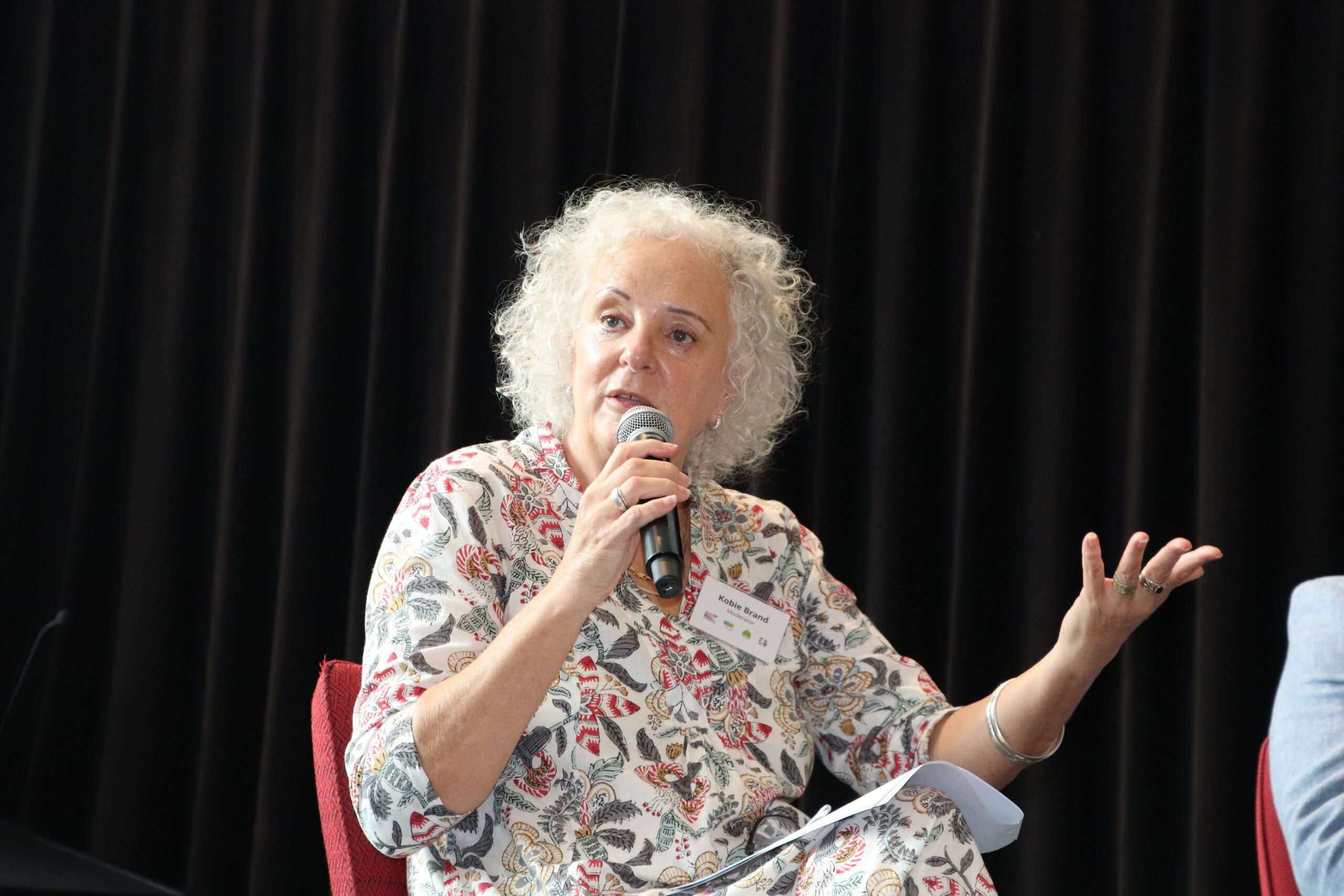
Selling like hot cakes: Marketing + Media
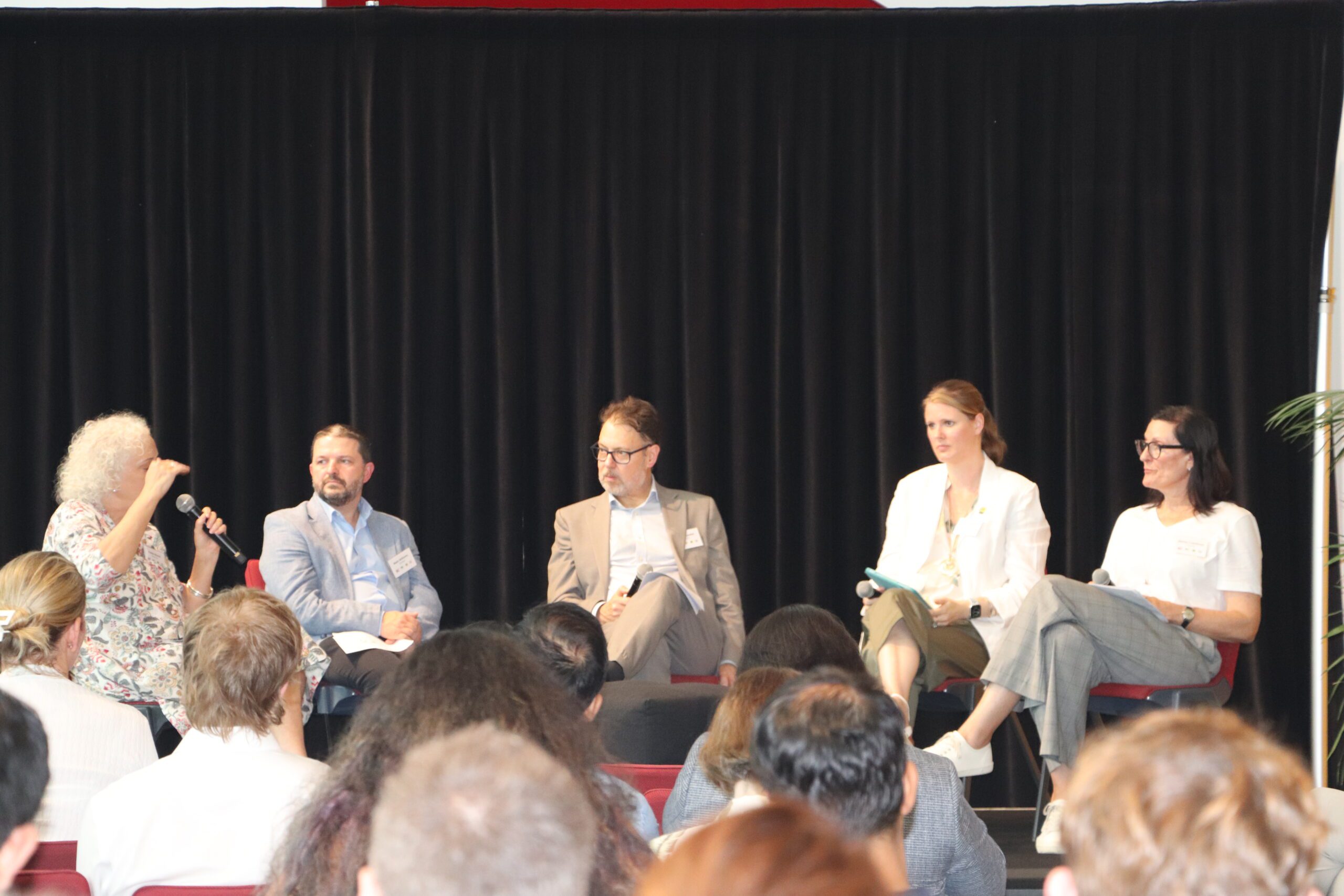
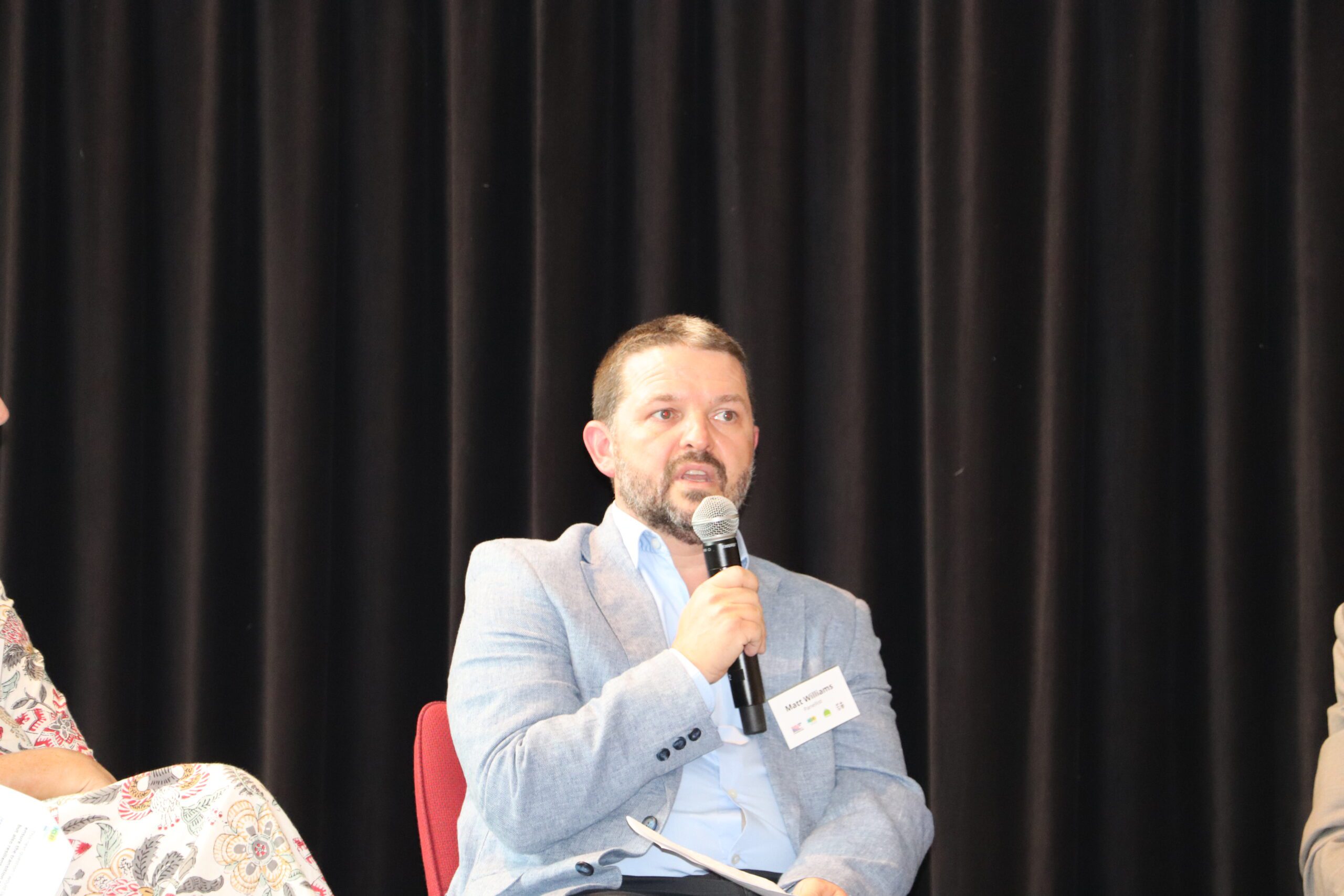
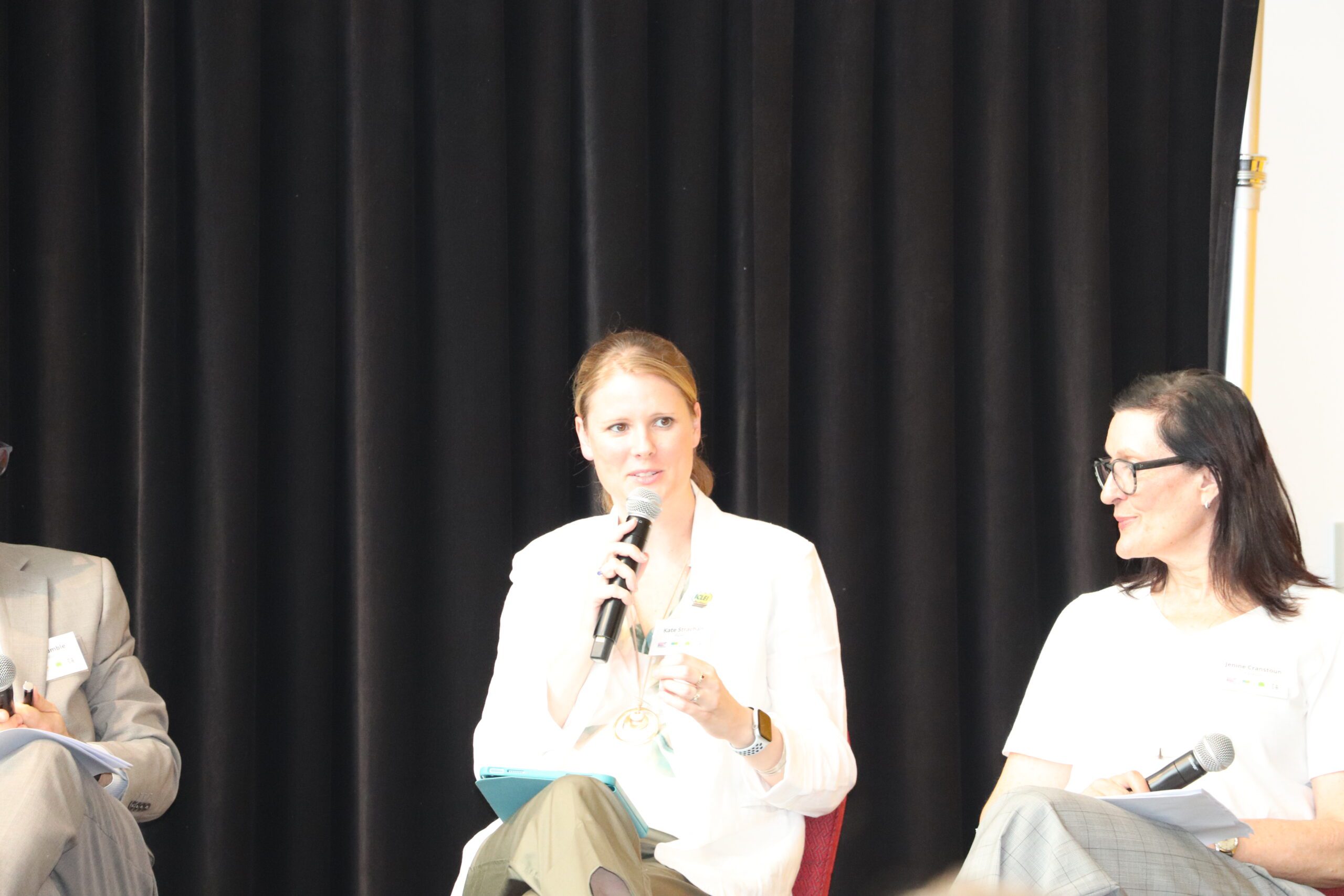
The second part of our Building to Zero: making sustainability ‘normal’ for the built environment events at Climate Action Week Sydney 2026, was Selling like hot cakes: Marketing + Media.
Hosted in collaboration with University of Technology Sydney (UTS) and Ecohus this session centered on how media and marketing shape perceptions of climate action and how sustainability narratives in the built environment can better align with net zero goals to drive mainstream market demand.
Key takeaways:
Reframing the narrative: Move away from abstract “climate” language toward tangible benefits like thermal comfort, health, and cost-of-living relief. The goal is to focus on desirability and joy rather than political or environmental duty.
Need for a trusted information hub: Homeowners and renters are currently overwhelmed by an information minefield. There is a critical need for a centralised, trusted source — potentially powered by AI — that provides a clear order of operations for home upgrades (e.g., starting with solar as a gateway to efficiency).
Leveraging social media and mainstream culture: Traditional media is fragmenting, so the messages must move to TikTok, YouTube, and renovation TV shows. Using influencers and normalising energy efficiency in home styling helps reach the 69% of people who now get their news and inspiration from social platforms.
Fixing the split incentive for renters: A major barrier is that landlords pay for upgrades while tenants get the bill savings. Participants suggested mandatory energy disclosures and ‘energy as a service’ models (where providers own the infrastructure) to ensure renters aren’t left behind.
The role of regulation: While marketing builds public appetite, government regulation is the final stick. This includes setting higher standards for new builds (e.g. ending new gas connections) and ensuring all marketing information is regulated to prevent greenwashing and build long-term public trust.
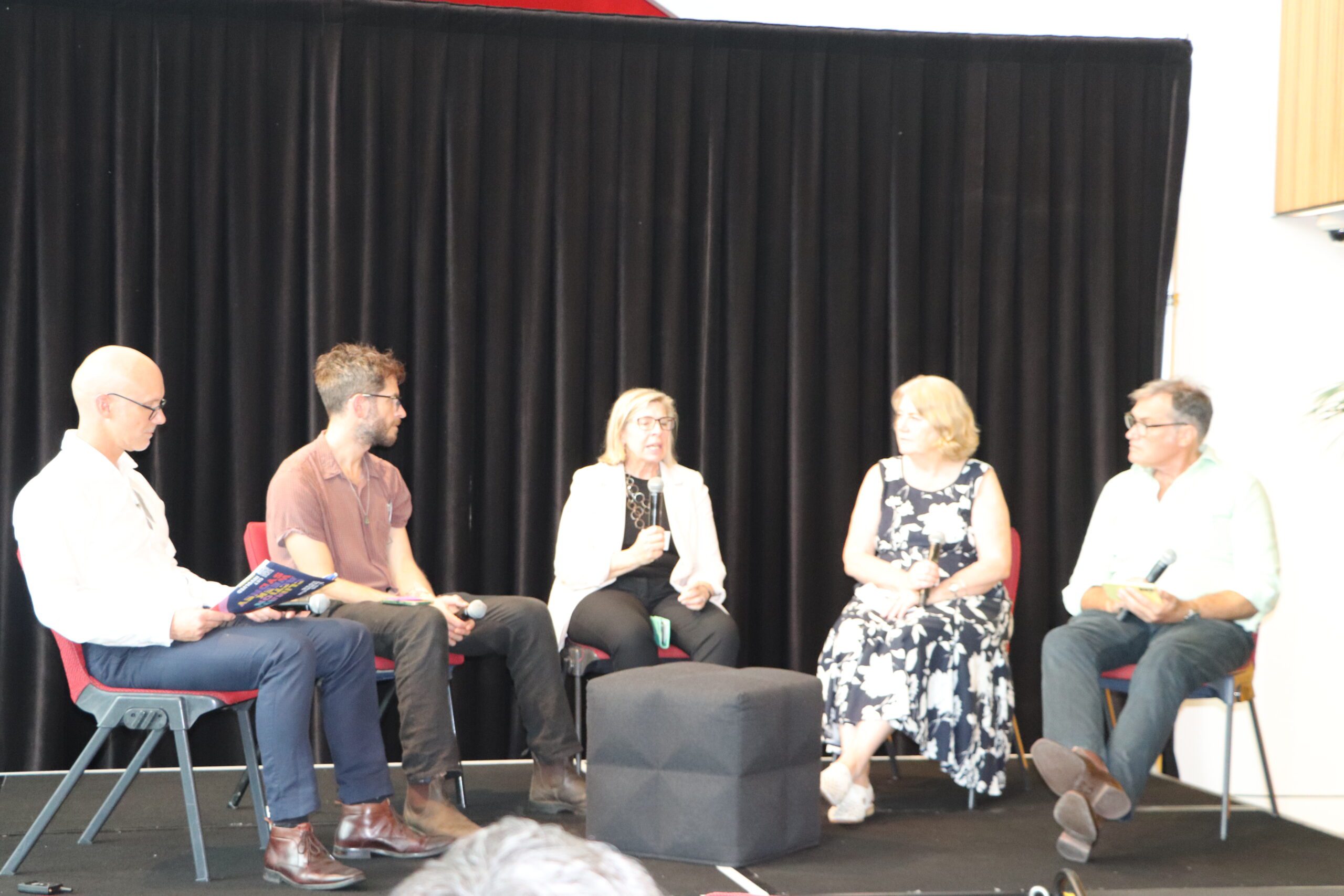
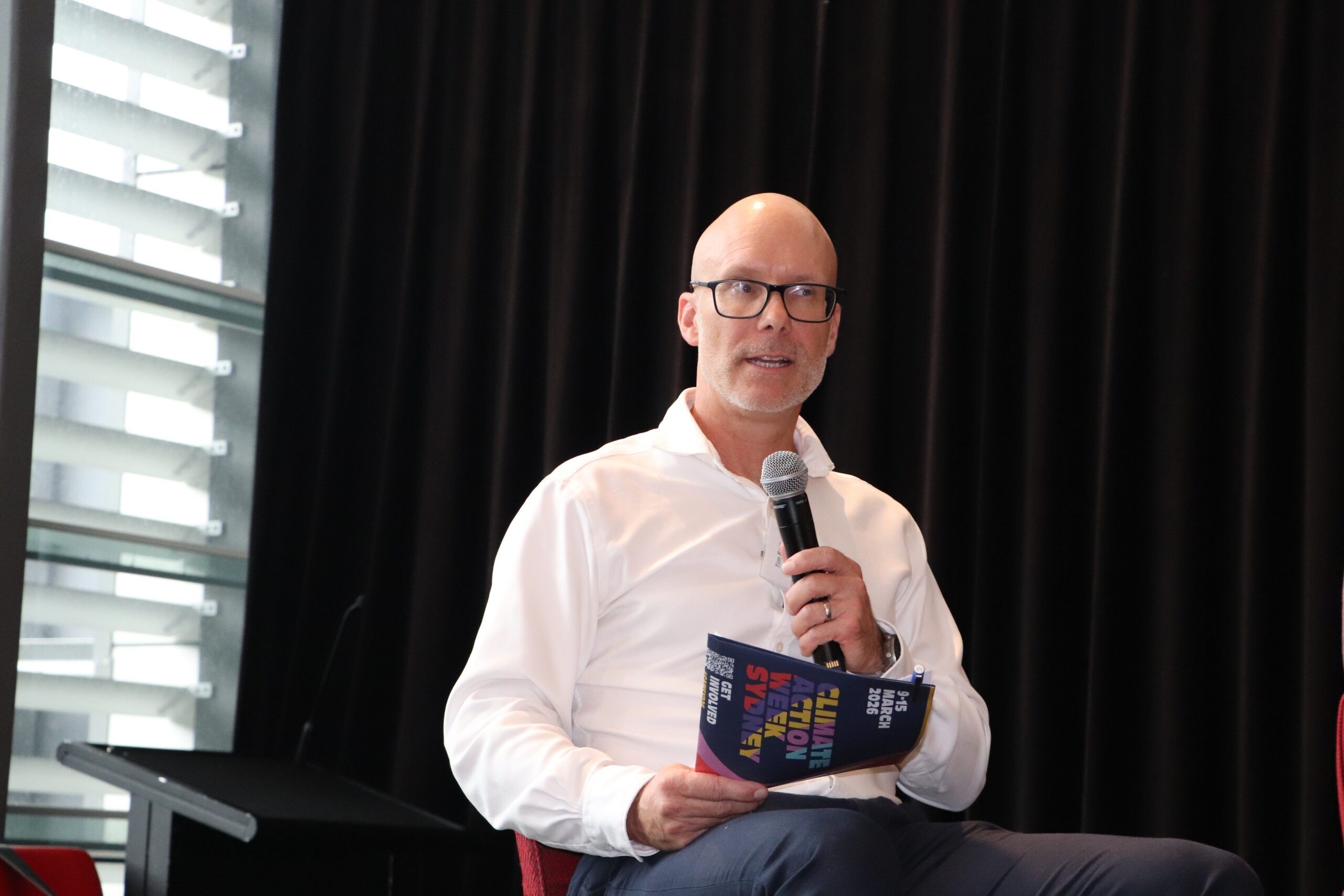
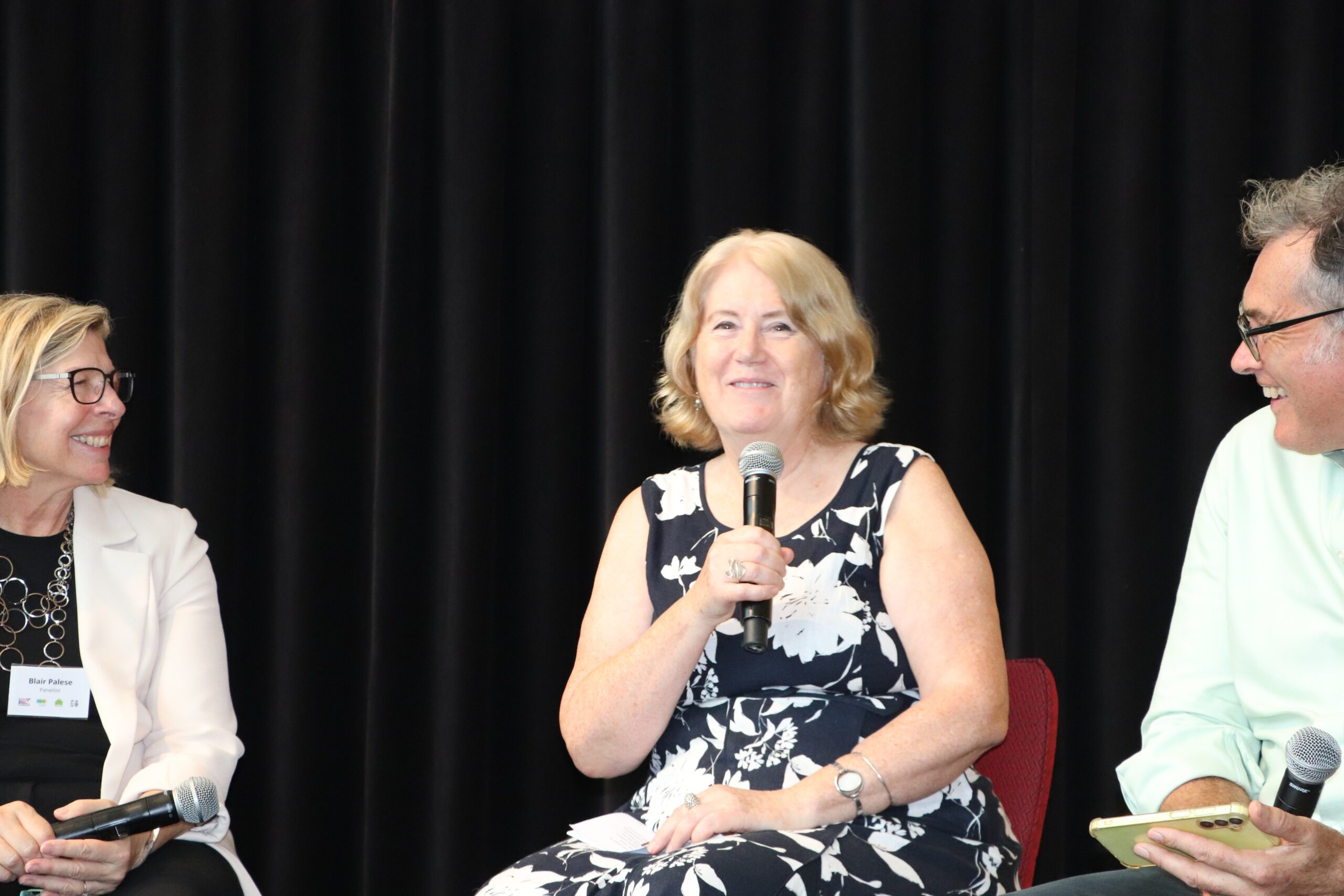
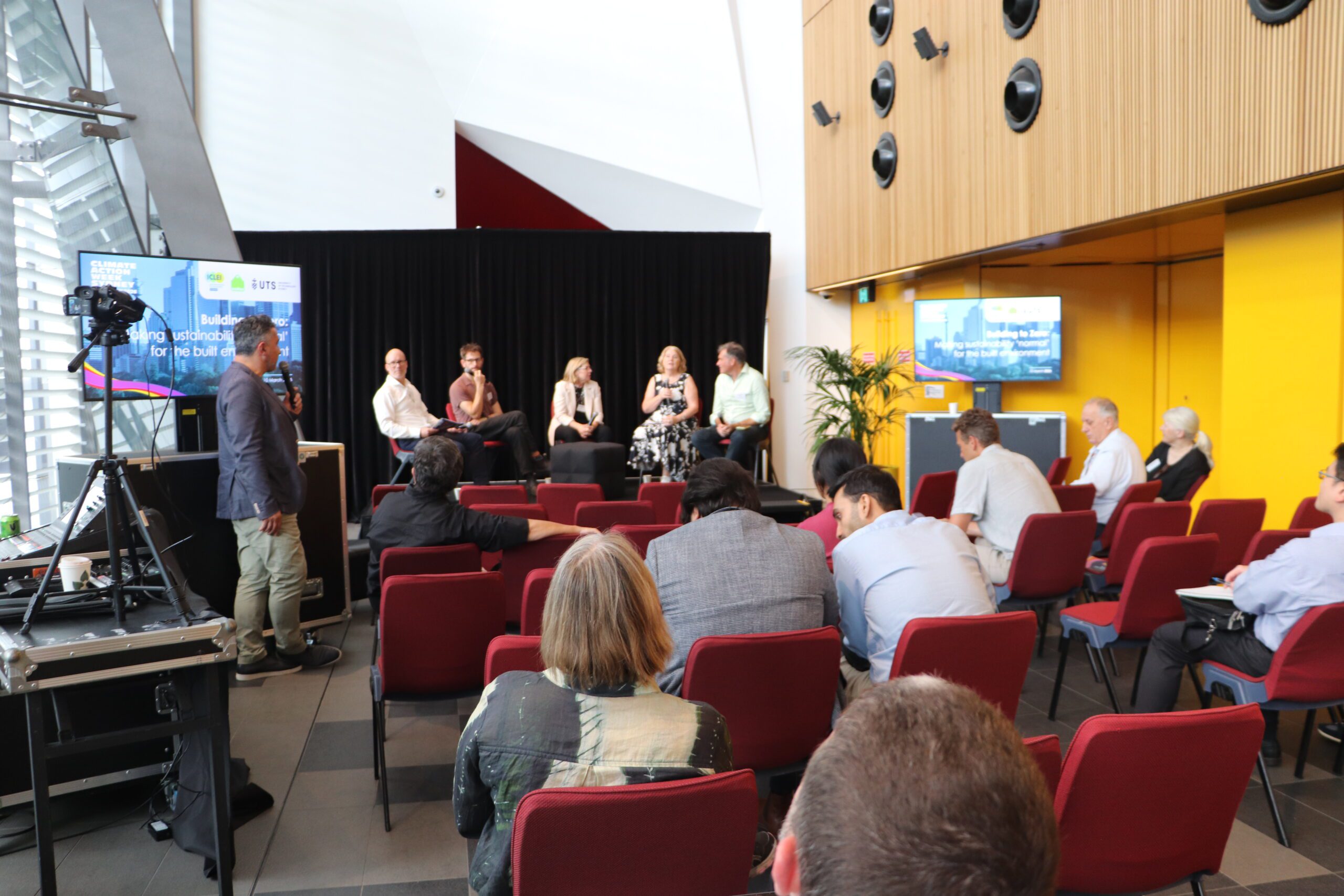
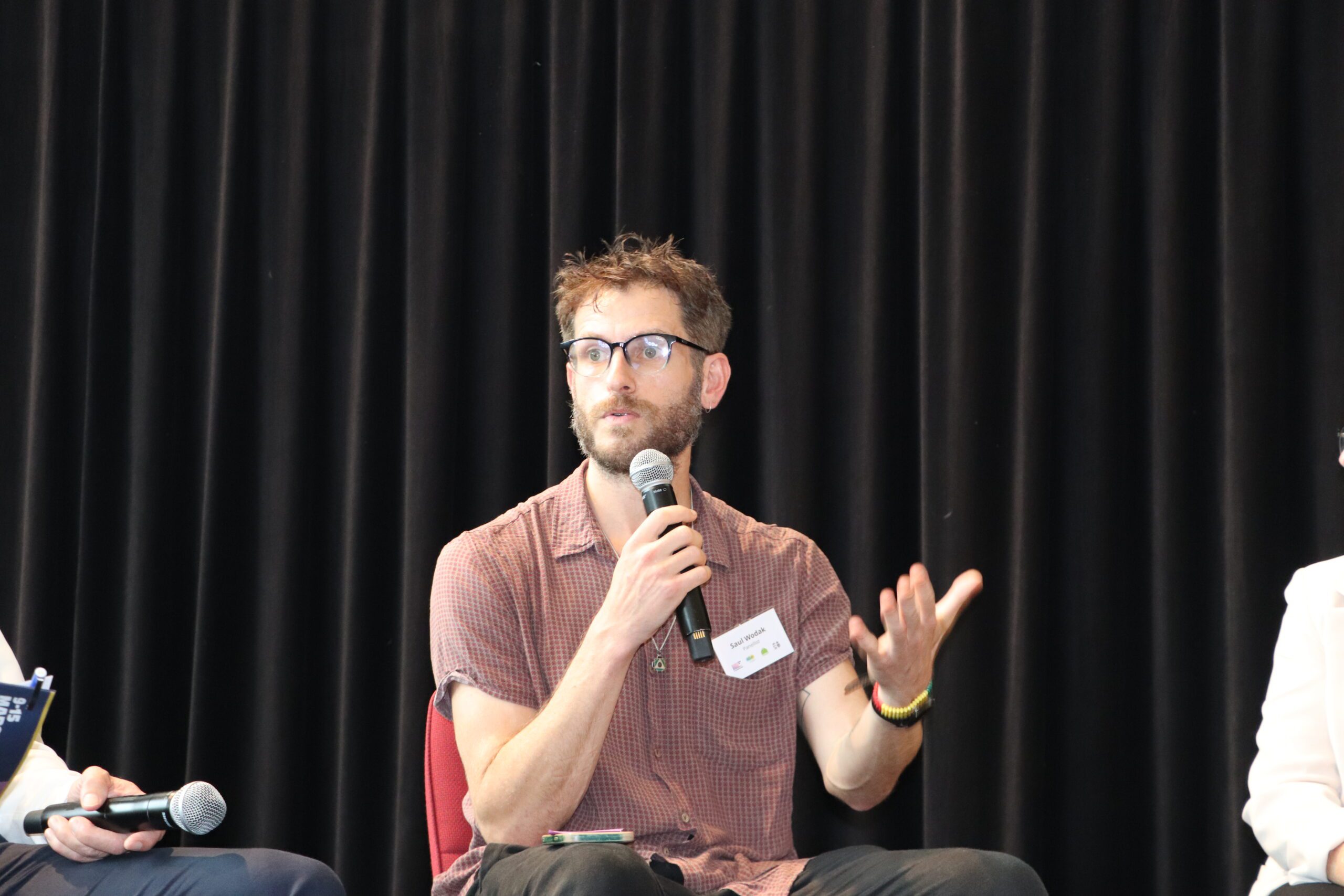
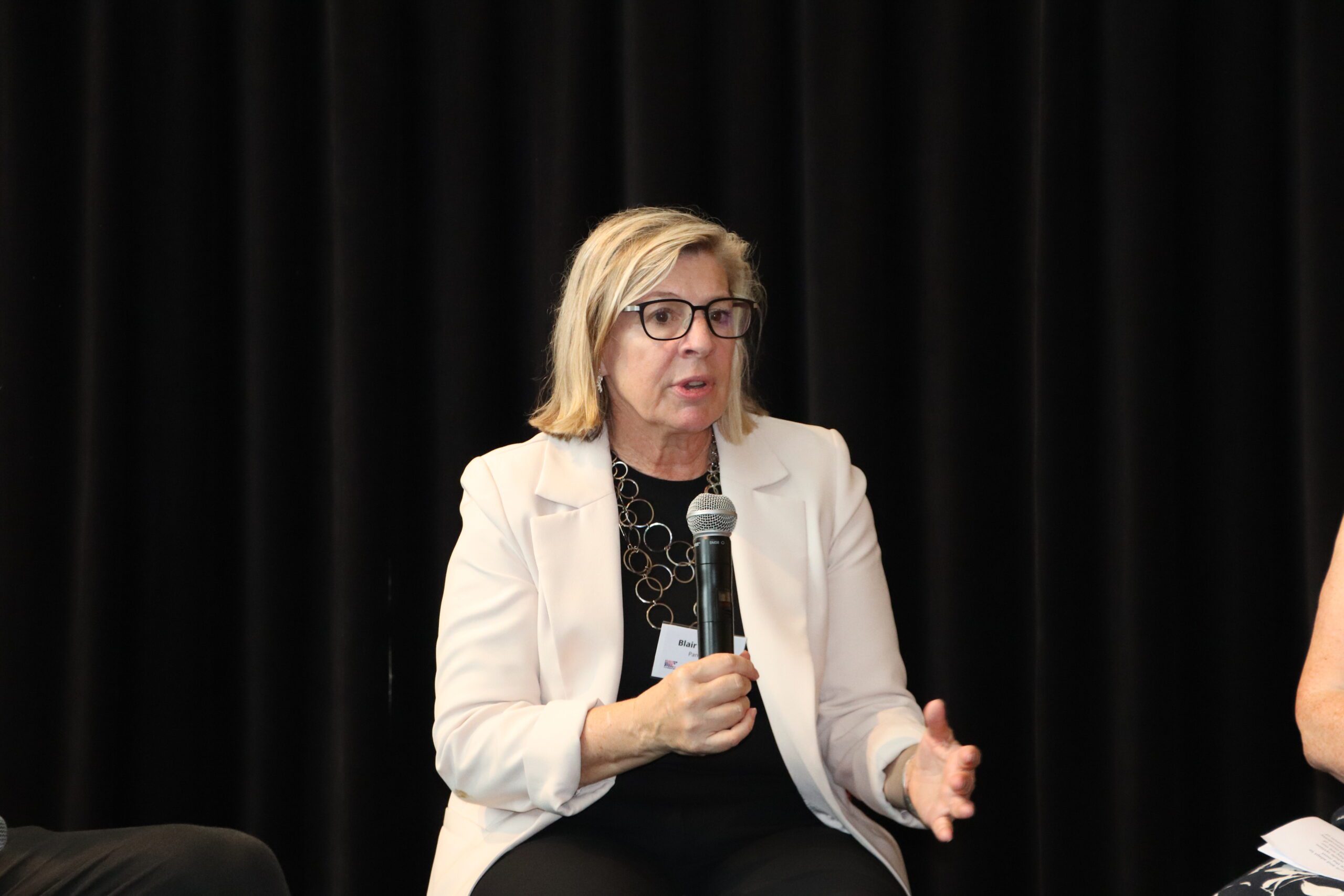
We are very grateful to our moderators, panellists and audience who joined us at University of Technology Sydney for this great session. The built environment holds immense potential for decarbonisation, and it is through these conversations and collaborations that we can accelerate progress.