

1
Local action is central to driving global progress
The most powerful insight from 2025 is one we’ve always known, but have now proven beyond doubt: meaningful action begins in our communities, on our streets and in our town halls. The work of cities and regions isn’t just important, it’s essential to achieving national and global sustainability goals.
At COP30 in Belém, ICLEI Oceania brought the voices of local governments to the world’s most important climate forum, demonstrating that implementation happens where people live. ICLEI Oceania Regional Executive Committee member and Lord Mayor of Hobart, Anna Reynolds – while serving as one of the co-chairs of the Rio Local Leaders Forum which took place prior to COP30 – made it clear that cities of all sizes can lead transformation.
Yet the outcomes from COP30 revealed a persistent gap. While the Mutirão Decision acknowledged the efforts of cities and subnational governments and there were more frequent references to multilevel climate action, the conference stopped short of creating the structured framework that local implementers hoped for. This disconnect between global recognition and practical tools only reinforces why our work matters so much. We cannot wait for perfect structures. Local governments are already transforming energy systems, adapting to climate impacts, and building community resilience using nature-based solutions.
2
Engaging directly with communities creates lasting change
This year taught us that real change happens when we meet people where they are. Working closer with the people most affected by climate change, creates authentic dialogue and lasting commitment.
Our Town Hall COPs became powerful examples of this principle in action. In March, Greater Sydney used the Talanoa Dialogue format, a Pacific approach to inclusive conversation, bringing together 16 councils to align local priorities with national commitments. In October, Greater Adelaide’s Town Hall COP fed South Australia’s adaptation priorities directly into the UNFCCC process. These weren’t abstract policy exercises but genuine community conversations about stormwater management, urban greening, and bushfire resilience.
Most significantly, in August we held the first Pacific Town Hall COP in Kiribati, facilitated in a traditional maneaba meeting building. This gathering produced the Ikarekebai Declaration, a powerful statement that captured the existential climate threat facing island nations.
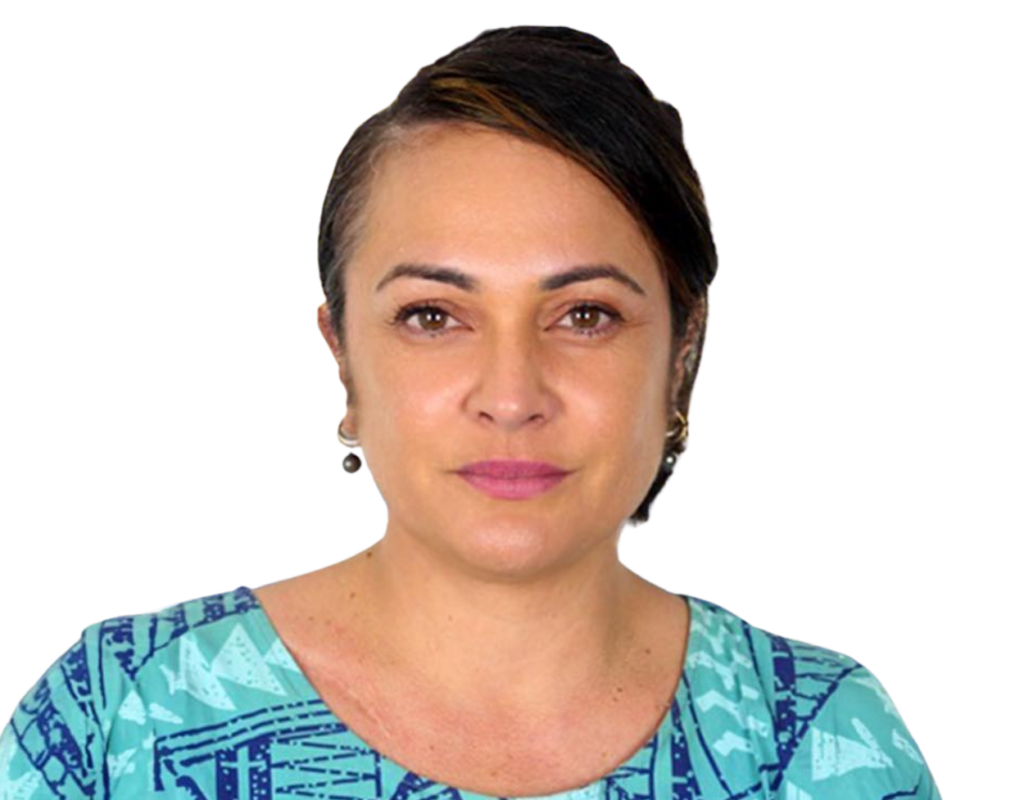
Honourable Ruth Cross Kwansing, Minister for Women, Youth, Sport and Social Affairs for Kiribati, presented this at COP30, emphasising that climate action must be:
Inclusive, locally driven and anchored in the realities of our people.
The Blue-Green Development Project in Kiribati exemplified this community-centered approach. By working directly with women, the primary managers of households and food security, the project piloted above-ground gardens, biochar ovens, and seaweed mulch to address saline intrusion. This wasn’t just technical assistance, it was co-creation with those living on the frontlines of climate change.
3
Deepening our work in the Pacific Islands is non-negotiable
If 2025 made anything abundantly clear, it’s that the Pacific should be central to our work. The Pacific Island nations face some of Earth’s most acute climate impacts, and their voices must be amplified, not just heard.
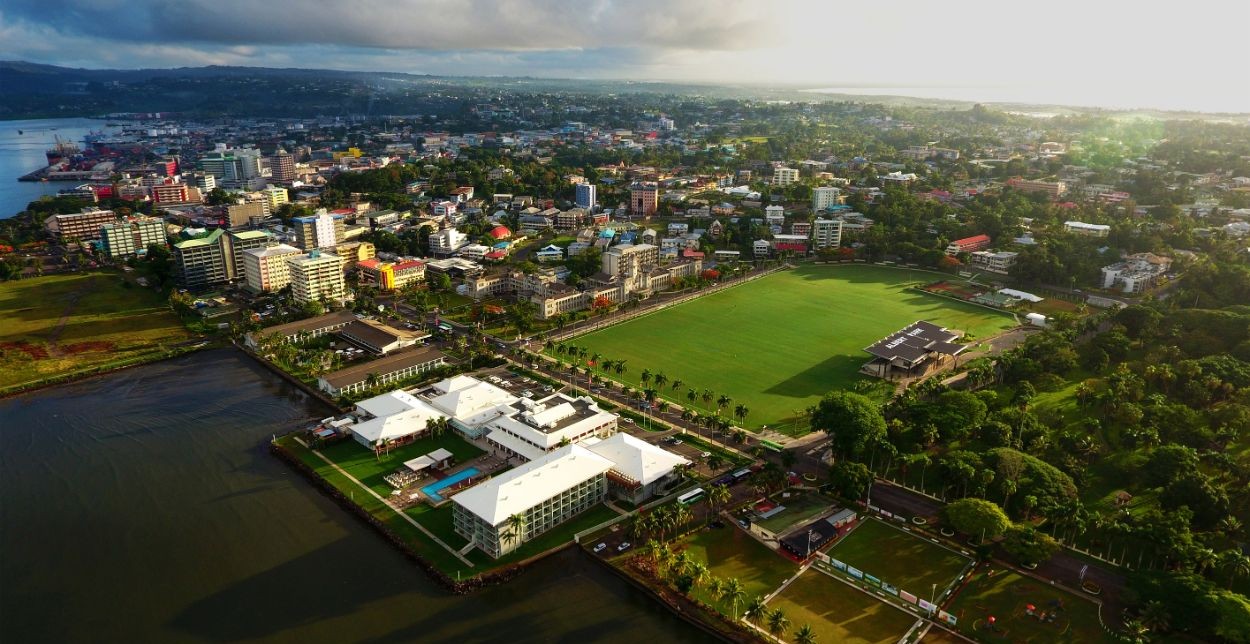
The launch of our Pacific Islands Office in Suva, Fiji represents a milestone for ICLEI. It’s a recognition that climate justice demands our presence where impacts are most severe. With Australia taking on the President of Negotiations role for COP31, even though not hosting the conference itself, the opportunity to centre Pacific perspectives has never been greater.
Our project, in partnership with the Global Covenant of Mayors, in Fiji and the Solomon Islands demonstrates the power of sustained technical support. Through this initiative, five towns and cities developed high-quality Climate Action Plans and pre-feasibility reports. What struck us most was the consistency: improved waste management, flood mitigation, and urban drainage emerged as priorities across all participants. These aren’t abstract concerns but daily realities for Pacific communities navigating rising seas and intensifying storms.

As City of Onkaparinga Mayor, ICLEI Oceania Regional Executive Committee member and Global Executive Committee representative, Moira Were, powerfully stated at COP30:
This is the time where as a world community we need to act as the best neighbours we can be to the peoples of the Pacific. It is the oceans that unite us and bring us together and we know, like the Pacific, the centrality of the ocean to our shared future.
4
Ocean health and coastal management demand urgent focus
The ocean connects our region in ways that go far beyond geography. For Pacific island nations, for coastal cities across Australia and New Zealand, ocean health is inseparable from community wellbeing.
Mayor Were’s advocacy at COP30 captured this urgency:
The ocean is asking for our attention. And communities are already speaking back with care, creativity and courage. The work now is to ensure political leadership listens and acts.
Her perspective resonated in Belém, a city where freshwater meets the Atlantic, reminding everyone that climate action must encompass both terrestrial and marine environments.
At Adaptation Futures 2025 in Christchurch, we argued that Nationally Determined Contributions should function as community compasses for ocean stewardship, not just compliance documents. Nature-based solutions in cities, from urban greening to coastal wetland restoration, offer multiple benefits: carbon sequestration, biodiversity protection, heat mitigation and flood resilience.
The challenge ahead is integrating these solutions into everyday planning and governance. City-to-city exchanges, like our dialogue between Christchurch and Cascais, Portugal on urban food systems and nature-based cooling, show that peer learning accelerates innovation. Communities don’t need to reinvent solutions; they need to adapt and scale what’s already working elsewhere.
5
Networks, partnerships and multilevel collaboration multiply impact
None of this work happens in isolation. Every achievement in 2025 came through partnership, whether through international networks, or with national governments, likeminded organisations or grassroots organisations.
Working alongside the ICLEI World Secretariat, our regional and country offices across the globe, and more than 2,500 cities and regions in the ICLEI network, we benefit from collective expertise, shared learning and ongoing exchange that enrich and amplify our impact. In addition, ICLEI’s role as Focal Point for the Local Governments and Municipal Authorities Constituency within the UNFCCC gives local voices formal recognition in global climate negotiations. ICLEI Oceania is also the Secretariat of the Global Covenant of Mayors for Climate and Energy in the region, and ICLEI leads the global CitiesWithNature and RegionsWithNature partnership initiatives and action platforms, recognised by the UN Convention on Biological Diversity as the official commitment and reporting platforms for cities and regions for the Kunming-Montreal Global Biodiversity Framework.
Even our new website launch, coinciding with World Cities Day, reflects partnership. It’s not just a communication tool but a platform for knowledge-sharing across our network of cities, partners, and sustainability champions. The site makes visible the connections between our work and its real-world impact.
Looking ahead to COP31 and beyond, these partnerships will only grow in importance. As Adelaide’s Lord Mayor, Jane Lomax-Smith, emphasised at COP30, the runway to COP31 must engage First Nations people, Pacific Islands communities, and youth.

Elizabeth Adamczyk, Chair of our Regional Executive Committee, captured the essence perfectly: these forums create opportunities to:
Mobilise locally, bringing together diverse stakeholders to influence national, regional and global outcomes for inclusive, bold climate action.
Moving forward together
As we step into 2026, these five key takeaways form the foundation of our work. They remind us that sustainability action is fundamentally about relationships: between global and local, between communities and nature, between present needs and future wellbeing.
The challenges ahead are immense. Pacific nations still face existential threats. Coastal cities everywhere struggle with rising seas and intensifying storms. The gap between climate ambition and implementation remains vast. Yet this year has shown us that when we work together, when we centre community voices, when we show up in partnership, transformation becomes possible.
We are not merely adapting to change. We are creating a future where thriving, equitable and regenerative cities become the bedrock of collective wellbeing across Oceania and beyond.